Dan Sultan is Back on Top

With the imminent release of his long-awaited fifth studio album, Dan Sultan is healthy, happy, and creatively firing on all cylinders like never before.


A period of personal turbulence culminating in a much-publicised 2018 fall from grace saw the Melbourne singer-songwriter take time to reflect and recharge. Now, five years sober and with the support of a loving family, the 40-year-old is back doing what he does best.


“Lately I’ve been feeling really fulfilled artistically, which is a really beautiful place to be as a writer and artist,” he says. “I’m not subjecting myself to the same expectations that I might have in the past, so I’m pretty chilled. Feeling fulfilled is a result of the peace [that I’ve found]. That peace is something, for me, that comes along from living your life and finding yourself in a good place. Things go up and things come down but finding that serenity and certainty in life is a good place to get to. I’ve still got ambition; I’m a father and I want my record to do well. It’s nice when I hear good things about it but I’m pretty chilled.”


The self-titled album sees Sultan reflecting on life, love, and sobriety, and was a chance for the songwriter to team up with Joel Quartermain, who shared production, songwriting, and playing duties across 11 tracks.


“It’s my favourite album that I’ve done,” Sultan says. “But that being said, anything that I’m working on at the time is always my favourite. At the same time, I can definitely feel the growth and evolution as a writer and as a person in this record. I’m in a really great spot and I feel really good about things. Feeling like that has allowed me to go to places artistically I haven’t been able to go before. A year or so before I started writing this record, I was really focussed on the more positive side of life, and it’s turned out well.”

Opener ‘Story’ is an intensely personal song with an autobiographical tale about the racism Sultan faced growing up as an Aboriginal person in Australia. It’s a story he has been waiting to tell his whole life.


“I’ve worked with really talented producers and writers in the past who know what that song is about,” Sultan says. “And they’ve told me it’s a great song and I’ve got to record it. It just came along with everything else that was happening in my life. A part of that was sobriety, but it was more than that. Through that comes a lot of self-esteem issues, and, if you’re doing good work, you start to feel better. A lot of it comes down to confidence and bravery. You don’t know how it’s going to go or how it’s going to feel but when you’re feeling brave you just do it.”

Another standout is ‘Fortress’ featuring Julia Stone.


“Julia is a good friend of mine; I’ve known her a long time,” Sultan says. “She’s a really great producer, songwriter, and performer. She asked me to be on a record with her at the end of 2019; a record of her friends doing Australian songs to raise money for the bushfire appeal. We were hoping to write a song for this record. Joel and I had this song [‘Fortress’], and we were doing a bit of show and tell in the studio and Julia was like, ‘Well, I wanna be on that!’. She went away and wrote a bridge that wasn’t there before, and we finished it off in the studio.”


A healthy and happy Dan Sultan, with new songs, a tight band, and support act Wilsn in tow, will be hitting the road to play Brisbane, Sydney, and Melbourne in September and October.


“I’m really proud of all the work I’ve done, and I’ve been able to achieve a lot,” Sultan says. “From where I have been in the past, I’m much happier and much more able to be brave now.”

For Scenestr

Record review: RVG – Brain Worms (2023, LP)

Australia is, in many ways, a fucking twisted place. Simultaneously a stiflingly conservative quagmire, bewilderingly racist dumpster fire, and a country too often so barren of good ideas that it’s enough to tempt one to move to New Zealand. It’s proudly home to a deeply misguided national identity, inability or unwillingness to come to terms with a history of colonial interaction with Indigenous peoples that has involved treatment up to and including genocide, and ongoing suppression of refugees and asylum seekers that surpasses the sadistic. Who would have thought that the happy-go-lucky sunburnt country Down Under could be so fucking cruel? And yet, as if by some middle finger to the dark and miserable forces that would work both behind the scenes and under our very noses to suppress and misinform those who would seek to soothe the soul of a nation, sometimes sweet, glistening glimmers of light shine through the cracks at the end of the dreary tunnel that make up this weird and wonderful culture. Halle-fucking-lujah. It must have been during one of these rare but glistening moments that the creative force behind Melbourne rock/post-punk quartet RVG was spewed forth. Somehow, several years ago, many billions of atoms and sparks of righteous electrical impulses coalesced in a series of miraculous accidents to form Romy Vager; a songwriter of such unflinching honestly, vulnerability, and uniqueness that you can’t help but be hooked on every lyric that comes straight from the Melburnian’s heart. Pressing PLAY> on the likes of ‘Common Ground’, ‘It’s Not Easy’, and ‘Nothing Really Changes’ simply makes the musical landscape – and the cultural landscape of a nation – an instantly better place. This album, the band’s third, is 100 per cent essential.

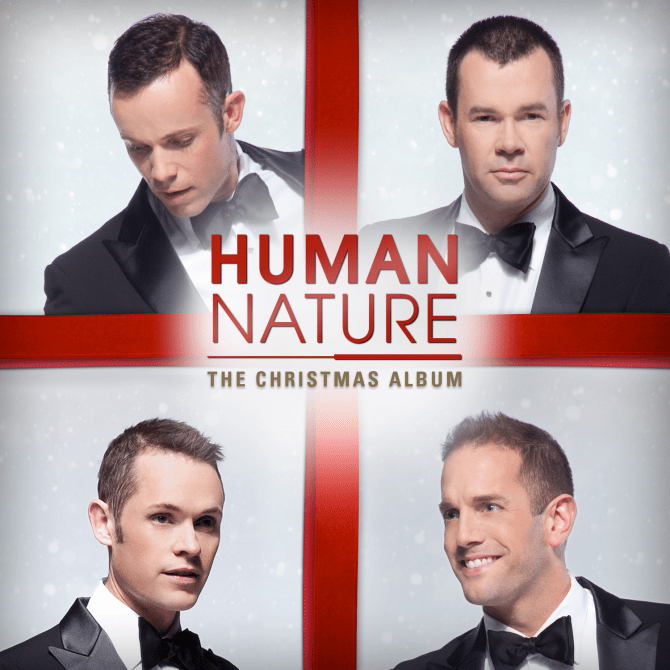
Record review: Human Nature – The Christmas Album (2014, LP)

human nature

Human nature is roughly defined as the qualities which are common to humanity, so it comes as no surprise that this attempt at a Christmas album is the most vacuous form of crowd-pleaser. The Sydney vocal quartet’s pseudo-Motown shtick may be big in Vegas, but then so are gun crime and gambling away your kids’ inheritances, so don’t expect anything other than bitter disappointment from this album. All the obvious choices are here – ‘White Christmas’, ‘Winter Wonderland’, ‘Rudolph the Red-Nosed Reindeer’ and a particularly cringeworthy rendition of ‘Have Yourself A Merry Little Christmas’. It has to be assumed the regularly-excellent Jessica Mauboy’s appearance on ‘Sleigh Ride’ is a record company obligation, while the Prague Philharmonic Orchestra’s choice to be a part of ‘Amazing Grace’ could be described as foolish at best. The rest just sounds like a rejected boy band at an especially bad office party. Smokey Robinson provides the only touch of class on ‘Please Come Home For Christmas’, but it’s nowhere near enough to save this album from being re-gifted. In the end, it’s the contrivance that rankles most; nothing says Christmas like a bunch of soulless, insincere crooners flaccidly warbling their way through such an obvious attempt at lining their pockets. My IQ is lower, I feel like a lesser person and I may have nightmares after listening to this album. For the love of Santa’s sack, don’t let the same thing happen to you. (Sony)

Record review: Twin Peaks – Wild Onion (2014, LP)

twin peaks wild onion

Despite having the same name as the brilliantly-disturbing cult TV series, Chicago quartet Twin Peaks are much easier to figure out, even if their second album finds them expanding their sound in an attempt to ‘grow up’ and edge away from their scratchy debut. While barely out of their teens, this is a gang whose sound has seemingly been spewed forth via the power-pop of Alex Chilton, sloppy party-rock of The Libertines and blue collar appeal of The Replacements, with a whole lot else stuffed down the middle and wrapped up in one big messy musical burrito. While there are some dirgy moments, as on the floundering ‘Ordinary People’, and they get caught belting out unnecessary hell-for-leather power chords at a couple of points, the overall vibe is of a fresh and energetic guitar album that’s generous and enticing at 16 songs. There are some great riffs spattered throughout, including on the shimmering, arching ‘Flavor’ and the excellent Faces-meets-Blondie ‘Telephone’, and when the the type of dual guitar interplay that Thin Lizzy would have exhibited pops up, new reasons to appreciate Wild Onion are found. ‘Sweet Thing’ shows the band know the power of a rhythm guitar in driving a song’s groove, while the instrumental ‘Stranger World’ catches them trying to bring sax back, before giving up a minute later. It’d be easy to write off Twin Peaks as just another bunch of rowdy indie upstarts, but this album is well worth getting your onion-loving tastebuds all over. (Grand Jury)

For mX

Record review: Bob Mould – Beauty & Ruin (2014, LP)

bob mould beauty and ruin

Fans of Hüsker Dü tend to favour either the tracks on which guitarist Bob Mould or drummer Grant Hart sang; the former taking a more brutal approach at the mic and the latter being a more melodic soul. It’s been 26 years since the Hüskers broke up in acrimony and 25 since Mould’s debut solo record, but 2012’s Silver Age saw Mould triumphantly return to the rush of angry alt-rock riffage Hüsker fans loved him most for, and it’s in this vein Beauty & Ruin continues for the 53 year-old. Not that you’d think it after listening to sludgy opener ‘Low Season’; the longest track here at four minutes. With that out of his system, it’s straight into the two and three-minute blasts of rock ferocity, with ‘I Don’t Know You Anymore’ and ‘The War’ being particular stand-outs. ‘Forgiveness’ eases off enough for a mid-album catching of breath, and isn’t unlike some of REM’s earlier work, while ‘Tomorrow Morning’ is Candy Apple Grey-era Hüsker Dü rebooted for the 21st century. It’s refreshing to see and hear a rock musician still doing it better than many bands he inspired, and as Hüsker Dü’s classic Zen Arcade came out 30 years ago this month, maybe it’s time for a re-evaluation of Bob Mould’s standing in the annals of rock. On Beauty & Ruin, he’s a musical force of nature; just like he’s always been. Green Day et. al: this is how it’s done. (Merge)

Record review: 360 – Utopia (2014, LP)

360 utopia

If you believe everything you read on the Internet and most music press, then you either love or hate Matthew James Colwell, a.k.a. 360. The likely truth, to which this reviewer can relate, is that you’re probably one of the silent majority of music fans who simply couldn’t give a fiddler’s fart about the 27 year-old Melbourne rapper’s music or persona, and the only reaction the constant “is he or isn’t he a sell-out/scumbag/self-obsessive” questions bring about is a jaw-cracking yawn. On his third album’s opener ‘Still Rap’, he tries to address the common criticism that his music is too “pop” and that he can’t rap… on a track that is ironically one of the most “pop” here. Lyrically, there’s no real direction throughout; the bulk of the subject matter involving sulky reflections on the price of fame (literally, on ‘Price Of Fame’, featuring Gossling) and getting sober, as on ‘Must Come Down’, ‘Early Warning’ and ‘You And I’; the latter coming off like a bad Temper Trap B-side. Ultimately, there’s very little that stands out, and each song plods along at a similar pace with no real zip or zeal. ‘Uncle 60’ may be the biggest rapper to come out of the Australian scene, barring Iggy Azalea (if she’s still being considered an Aussie), but this latest pop-heavy, rap-light stab at hip hop utopia shows that he could really do with a bit more musical meat if he wants to continue to be a heavyweight contender. (Inertia)

For mX

Record review: Tape/Off – Chipper (2014, LP)

tape-off-chipper

They say life is a little bit more laid back in Queensland, but the length of time it has taken Brisbane’s Tape/Off to record and release their debut album is surely taking the piss. After years of putting out singles and EPs, the quartet of Nathan Pickels (vocals/guitar), Ben Green (guitar), Cameron Smith (bass) and Branko Cosic (drums) have finally gone and done it, and thankfully it has been worth the wait. While first single ‘Pedestal Fan’ is a typically brutal piece of Tape/Off alt-rock, it isn’t necessarily an all-encompassing indication of what’s to be found on this 11-song effort, as there’s more than a healthy dollop of shoegaze messily slopped all over. Opener ‘Australia’s Most Liveable City’ eases us gently into proceedings with a dazed, meandering stroll through the beauty and banality of living in Brisbane in 2014, before ‘Peggy’s Lookout’ opens up into the heavy sound we know and love Tape/Off for. There’s still a debt owed to Pavement through tracks like ‘Different Order’ and ‘Believe In You’, while fractured New York Dolls-esque highlight ‘Climates’ exemplifies their ramshackle charm. Trying to guess whether each upcoming song will be a cruncher or a softie is like trying to predict whether the school bully will focus his meaty aggression on you on a particular day, but somewhat surprisingly it’s the less brutal tracks that are most memorable, like ‘Escalator’ and downbeat closer ‘Another Year’. It’s this fantastic mix of aggression and restraint that make you want to grab the band by the lapels and – in true school bully fashion – tell them not to leave it so damn long next time. (Sonic Masala)

For Beat Magazine

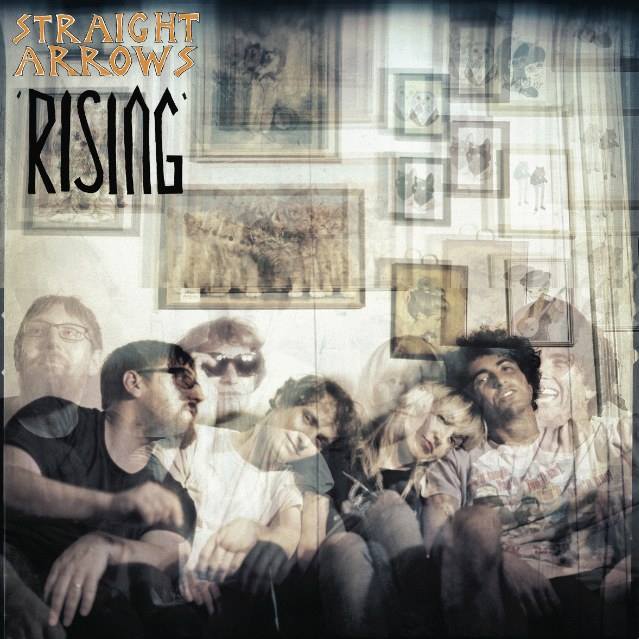
Record review: Straight Arrows – Rising (2014, LP)

straight arrows rising

Even on record, Sydney’s Straight Arrows sound like a band you want to party with. Semi-strict devotees of the original wave of ’60s garage-rock they may be, but they’ve also got more than enough primal middle-fingers-to-the-air punk attitude to make sure their second album smells more like beer and sweat than it does of nostalgia.

Not that nostalgia is necessarily a bad thing; it just sounds better when it’s run through the musical meat grinder that is Straight Arrows’ perfectly primitive guitar thrashing, barely discernible vocals and so-lo-fi-they’re-almost-non-existent bass lines.

The breakneck ‘Can’t Stand It’ immediately harks back to the classic garage bands of the ’60s, while the 90-second ‘Rotten Teeth’ is appropriately titled to be the most ‘punk’ song here. Single ‘Petrified’ catches singer and Arrows mainman Owen Penglis in a more measured mood, before the song grinds to a halt, broken and battered by the waves of messy surf guitar spattered all over the final minute.

‘Without Ya’ is an anomaly in that a prominent, driving bass-line features for the first time, with the end result benefiting hugely in what could almost be called a groovy fashion, recalling much more of a West Coast garage vibe than anything else here, but the most pleasant surprise is that there isn’t only reverb-laden garage-rock on Rising, as might be expected. At times the path trails off on tangents with strange or dark undertones, as on the introductory track and ‘Fruit of the Forest’.

This aside, be happy in the knowledge that bands like Straight Arrows – on the whole – don’t exist to take us on long-winded musical journeys into the unknown. They’re here to make us want to jump around like idiots; and thankfully this album more than does the job.

For FasterLouder

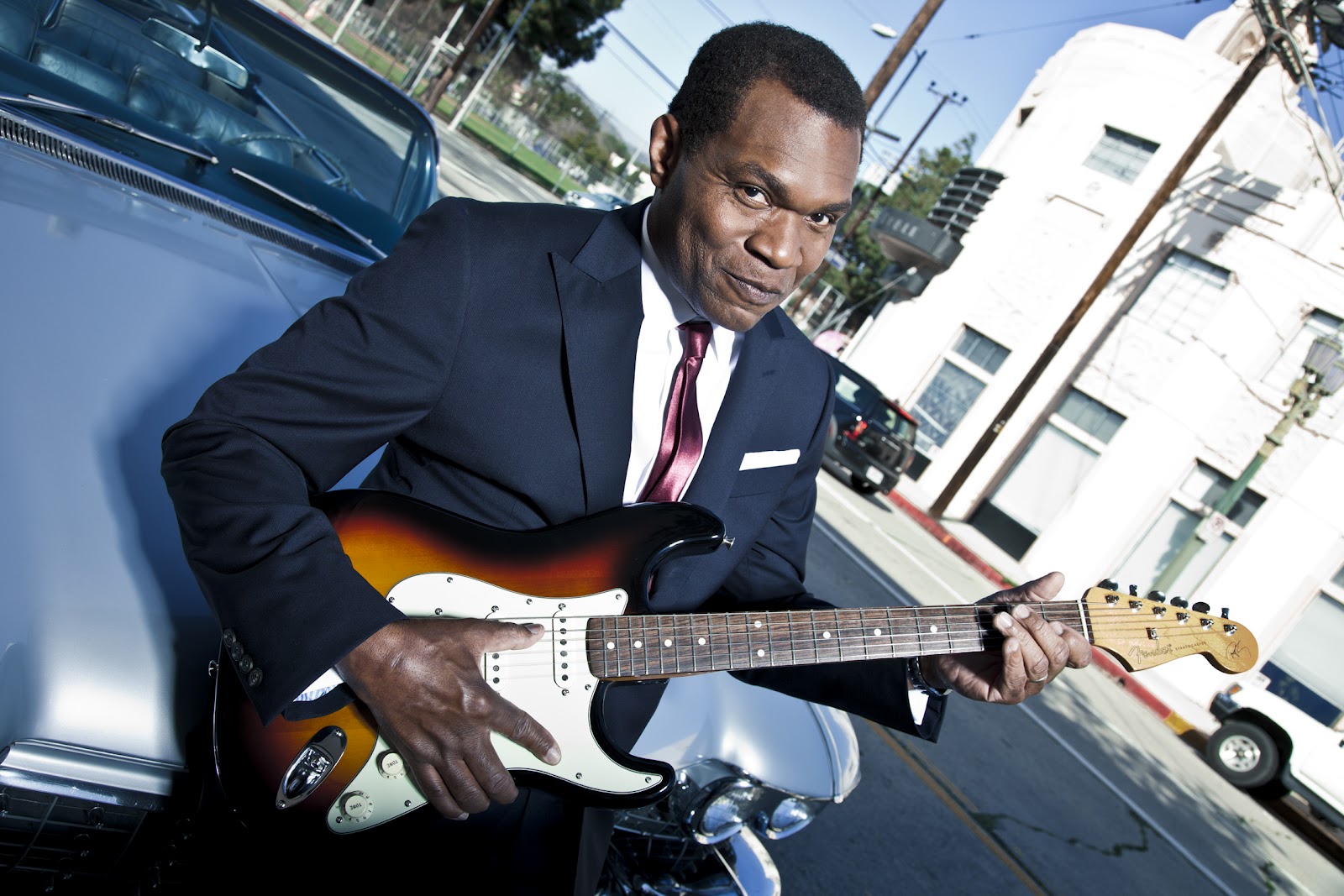
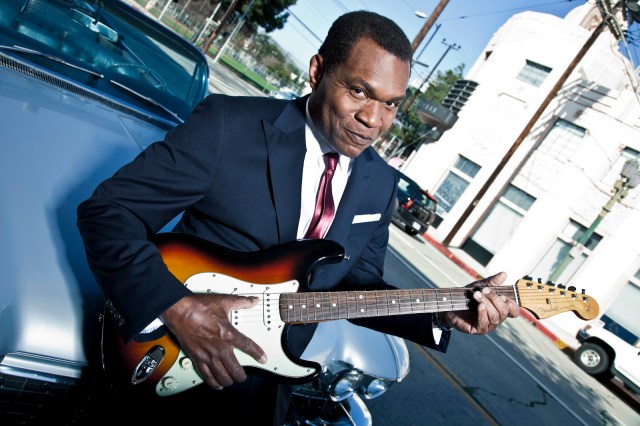
Interview: Robert Cray

robert cray

WHERE do you start with a musician as accomplished as Robert Cray? He’s been playing the blues since the seventies, has over twenty albums in his catalogue, has bagged five Grammy Awards and played with the biggest names in the business, from John Lee Hooker, Albert Collins and B.B. King. Oh, and he also appeared in Animal House with John Belushi AND is still releasing top-notch blues records. On top of all this, he’s only one of the nicest guys around. Have I missed anything? Probably.

Hi Robert, let’s talk about your new album, In My Soul, first of all. How do you feel when you have a new record being released?

Happiness. It’s great because it’s a new record that gives us an opportunity to add to our repertoire and more to play to the fans. It’s a lot of fun.

You made some changes to the line-up just before recording. Why did you feel that was necessary?

Change is good; it’s necessary sometimes. We had two changes for this record. The first of which was having Les Falconer join as drummer. I’ve watched Les from afar, but not too far away; he’s been in the Keb’ Mo’ band for years. It just so happened that three or four years ago Les asked me if I ever wanted to make a change to consider him, and I did so about 16 or 18 months ago, so that was the reason for that change. We changed keyboard players, and we have Dover Weinberg on board, who also used to be in the band in the late ’70s. We made the change because I remember Dover having a great sound and a great feel, and I thought it would be great to have him work on the new record before we went into the studio.

Will this version of the band be set in stone for the foreseeable future?

For the foreseeable future, yes. We have a good time and we have a new album to present with this band. But we also play a lot of the older songs and we have a really good time with those, thank you.

Was the soulful feel to the album a deliberate step or more of a natural progression?

It was just by osmosis, actually. We had Steve Jordan come in to do the production. Steve’s a great musician as well. He made a couple of suggestions before we came into the studio; one was the Otis Redding cover, ‘Nobody’s Fault But Mine’, and the other was a Mable John song, ‘Your Good Thing (Is About To End)’. He suggested those two songs, but I thought it was going to be that maybe we’d record them in case the band and myself didn’t have enough original material. Well, the band had original material which were rhythm and blues, and I had songs which were rhythm and blues as well, so we just wound up with soulful songs.

How did you react when he suggested covering ‘Nobody’s Fault But Mine’?

I dug it, because it’s a song by Otis that I’ve admired for years. I’ve never had the opportunity to play it, but lots of friends of mine have covered the tune and I always thought it was cool.

What else does Steve Jordan bring to the table?

Steve’s a great communicator and organiser. He gets everybody into the studio, makes them participate and feel like they’re part of the project. That’s really important and how he conducts all operations in the studio. For example, we have this one song that’s a bonus track called ‘Pillow’; it’s got this really ’70s funky feel to it. Before we tackled the song we went into the control room where Steve had a copy of Curtis Mayfield’s Super Fly record. We played a couple of tracks and started reminiscing about all the ’70s music, then we took a lunch break and let the music digest itself, you know? We came back into the studio, the electric sitar came out, different drums came out, and he had set the mood for the song. He’s in there conducting us, he’s in there dancing or he’s playing along, you know?

One of my favourites is ‘What Would You Say’, which contains a bit of social commentary. Would you call it a political song?

It’s not political in the way other songs we’ve done before covered deeper subjects like the wars in Iraq and Afghanistan. This is commentary and trying to be a bit more positive about what’s going on today with homelessness, the cancer that’s everywhere today and the war in Syria. But not in a big way, if you know what I mean. I wouldn’t call myself a political singer, but we do touch on it.

How was your experience of Bluesfest last year?

It was fantastic. We should come every year as far as I’m concerned [laughs]. It’s always a blast to be a part of it, but also to witness it. It’s a great event.

So you’re putting your name firmly in the hat for any future Bluesfests?

My name is in there every year. It’s just a matter of getting the opportunity to do it. There are so many acts who want to do it, and we have to wait our turn.

You’ve played with most of the blues greats in your time; which one made you the most starstruck?

That’s hard to say. I think all of them did, you know? I’m starstruck by all of them. But the thing is, all the people I’ve had the opportunity to meet have always been really nice and comforting, in the sense that they see how nervous you are and see that you’re awestruck and all that. But they reassure you and make you feel cool.

Could you pick one blues player who has had the biggest influence on you?

Probably Eric Clapton. I play that style of electric guitar, you know? John Lee Hooker is huge, Muddy Waters the same, but my style is more akin to Eric Clapton and the electric players he admires.

When you were in Animal House in 1977, was there any indication that it would be a cult classic movie?

As far as I knew, nobody knew what would happen with the film. We had just bit parts in it; we weren’t even credited as the musicians in the band. We just lip-synched to the music. We never saw a script, so we didn’t even know what the working title was. It was just a bunch of local guys doing a movie, then all of a sudden it’s what it is today. Now it’s history.

How much contact did you have with John Belushi?

He befriended a good friend of mine, Curtis Salgado. We lived in Eugene, Oregon at the time. Curtis was fronting a band called the Nighthawks from Eugene; it was where the movie was filmed and also where I lived at the time. On Monday nights we had a splinter group called the Crayhawks; a combination of the two bands. Belushi would come in and people would ask us if we knew Belushi was in the audience, and we’d go ‘who’s John Belushi?’ because we were always working on Saturday nights and never had seen the programme. But eventually we let him on the stage to do his Joe Cocker impersonation, and all the while the movie was being filmed in Eugene, Curtis was taking John Belushi back to his house and schooling him on blues. To cut a long story short, he got educated through Curtis and that whole thing begat The Blues Brothers. The prescription sunglasses Curtis wore became part of The Blues Brothers model and they dedicated the first record to Curtis Salgado.

What are your plans for the rest of the year and beyond?

Well, we just came back from a six-week tour of the UK and Europe. This coming week we’re about to start another six-week leg in the States, followed by another European leg in the fall. If things go right, maybe we’ll see you at Bluesfest next year. Like I said, my name is in the hat [laughs].

IN MY SOUL BY THE ROBERT CRAY BAND IS OUT NOW.

For the AU Review

Record review: Parquet Courts – Sunbathing Animal (2014, LP)

parquet courts sunbathing animal

It’s tempting to pin the ‘slacker’ label on New York indie-rock quartet Parquet Courts, given that their most well-known song to date, 2012’s ‘Stoned and Starving’, tells the simple tale of singer Andrew Savage wandering the streets fiending for “Swedish fish, roasted peanuts or liquorice”. To do so, however, would be a disservice, as there is much more to the band. Featured on their second album Light Up Gold, that song introduced the everyday laugh-out-loud ramblings of a young city musician describing his surroundings, and was enough to bag the band slots at both Laneway Festival and Splendour In The Grass this year. One of the great – and simultaneously infuriating – things about Parquet Courts is that it’s not always clear when they’re being serious and when they’re taking the piss. Undoubtedly a fine and witty wordsmith, frontman and lyricist Andrew Savage comes across as part Ivy League stiff, part frantic punk-rock poet; but his energy and commitment make him a believable street storyteller on Sunbathing Animal. Unlike the instantly explosive Light Up Gold, the album begins in more measured fashion with ‘Bodies Made Of’, before setting off at pace with ‘Black & White’ and breaking the momentum down to a slow crawl on ‘Dear Ramona’. Among the remaining full-tilt rockers are ‘Instant Disassembly’, which could easily be the soundtrack to a comedy Western, and ‘Raw Milk’, which adds a hint of blues to finish up. While they’re now opting for a more cautious approach to urban punk than the head-on take of previous work, it’s this progression which keeps Parquet Courts’ particular brand of indie-rock more exciting than most.

Record review: Eagulls – Eagulls (2014, LP)

eagulls album cover

Holy Ian Curtis: this ain’t no sunny pop record. English post-punk up-and-comers Eagulls have already gained a metaphoric mountain of music press attention since their 2009 formation; a situation that can be potentially favourable or fatal to a band yet to release their debut album. Thankfully the quintet seems to have dealt with the pressure of expectation well, as this self-titled ten-track collection is a solid and confident effort. All angry, bleak disillusionment and despair carried off with stark vocal arrangements, chugging bass-lines and apocalyptic guitars, this is an absorbing album that grabs you by the lapels and doesn’t let you go until it’s battered your eardrums to within an inch of their life and left your spirit just a little bit crushed. The blistering ‘Yellow Eyes’ and ‘Amber Veins’ are highlights, as is closer ‘Soulless Youth’, which could explain the basis of most of the lyrical content throughout. Singer George Mitchell rants and caterwauls with the best of them as his band recalls the sounds of Savages, Joy Division and Iceage, and it’s all topped off with flawless production. While there’s not much variety and the album is a little exhausting to listen to from start to finish, this is an important and promising addition to the post-punk genre. (Popfrenzy)

Record review: Cloud Nothings – Here And Nowhere Else (2014, LP)

Cloud Nothings Here And Nowhere Else

Cleveland, Ohio trio Cloud Nothings broke through in no uncertain terms with 2012’s Steve Albini-produced Attack On Memory, which established them as an exciting new addition to the pop-punk and noise-rock scenes. Having dropped out of college to work full-time as a musician, singer-guitarist and founding member Dylan Baldi has never looked back, and this fourth album will further cement his band’s position, although there’s a feeling that it’s just another step towards something even better, rather than a musical pinnacle in itself. Baldi’s songs are as abrasive as his previous work, while simultaneously being unable to shake off a recurring pop element, making much of the eight tracks present here as catchy as they are urgent. Opener ‘Now Here In’ starts at breakneck speed, and the seven tracks which follow don’t let up the pace, with ‘Giving Into Seeing’ being a particularly frenetic effort. Guitarist Joe Boyer has departed since Attack On Memory, leaving Baldi to cover both lead and rhythm guitar duties, but the sound isn’t thinner as a result. John Congleton (Modest Mouse, St. Vincent, The Walkmen) takes over production duties, and doesn’t smooth out any of the band’s viciousness, urgency, or – at times – savage scratchiness, with a result that isn’t dissimilar to some of Husker Du’s better work. There’s no obvious radio-friendly material though, and Baldi frequently unleashes throat-destroying screams that would cause lesser men to faint, but with this album Cloud Nothings have further confirmed that they’re the real deal. (Carpark)

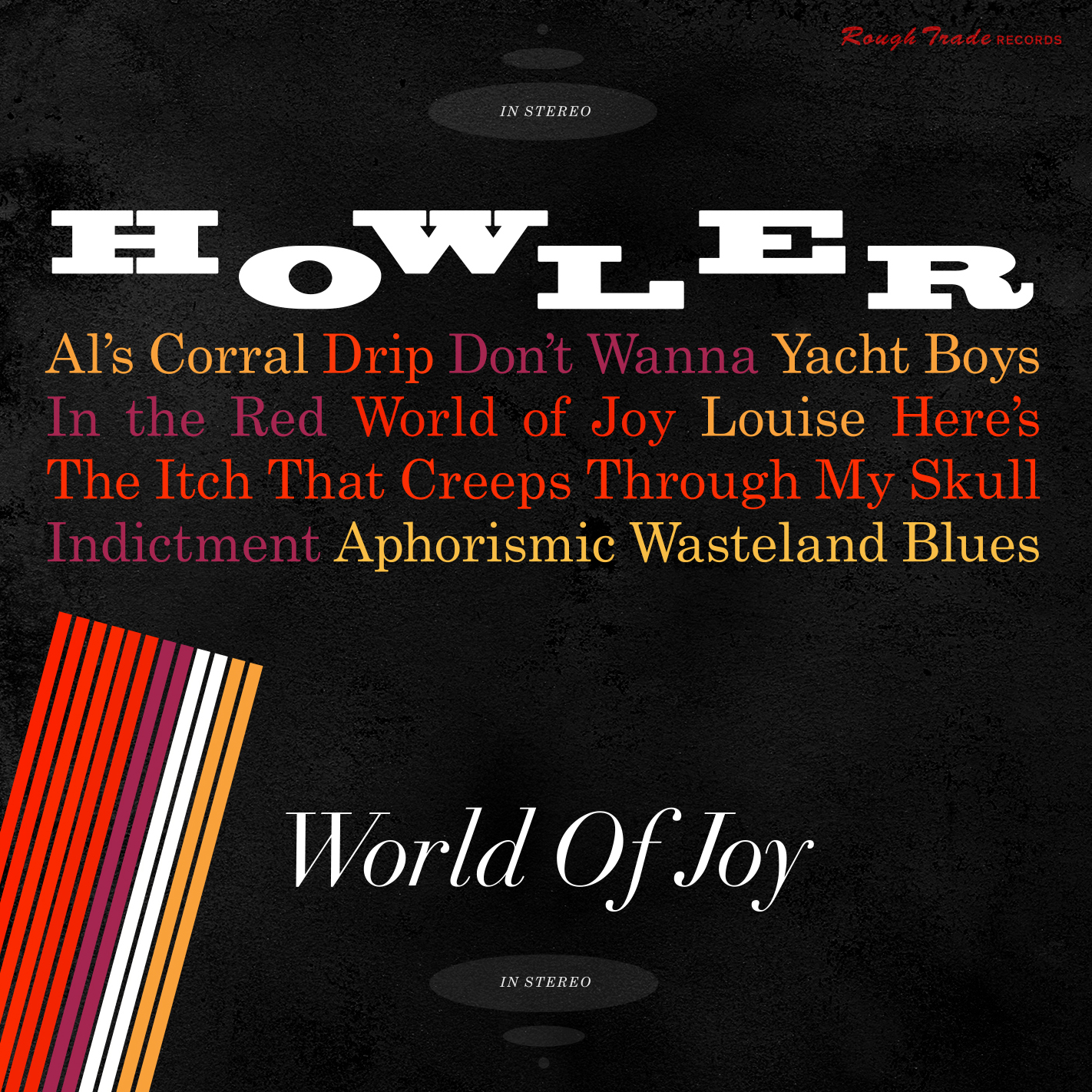
Record review: Howler – World Of Joy (2014, LP)

howler world of joy

Howler frontman Jordan Gatesmith is clearly and openly obsessed with ’80s college-rock legends and fellow Minneapolis natives The Replacements. Their 2012 debut America Give Up was littered with references to Paul Westerberg’s lyrics and sound, and while the eclecticism and snideness evident on that album compared to Westerberg’s 1987 mixed bag Pleased To Meet Me, this follow up has devolved into something more like the scratchy and patchy Hootenanny of 1983; with even the cover being almost identical. Fifty percent of the personnel has changed since their debut, and while there’s some good stuff here, much of the album feels contrived and lacklustre; and perhaps missing an ingredient or two that would inject a little excitement. The cascading guitars during the first few seconds of opener ‘Al’s Corral’ sound promising before some unimaginative vocal phrasing render it underwhelming. There’s thrashy punk rock brashness on ‘Drip’, ‘Louise’ and ‘In The Red’, while the title track is a fairly forgettable spurt of downbeat lo-fi post-punk. There’s a distinct tail-off towards the end too, with the pop-tinged ‘Indictment’ and folky ‘Aphorismic Wasteland Blues’. ‘Here’s The Itch That Creeps Through My Skull’ is interesting as it veers into lovelorn ballad territory, while single ‘Don’t Wanna’ is the most Replacements-esque track here and benefits as a result. “You don’t have to listen to me if you don’t want to,” Gatesmith sings, which is pretty reassuring by this stage in proceedings; proving that as a songwriter, he has a long way to go before matching his hero’s standards. (Rough Trade)

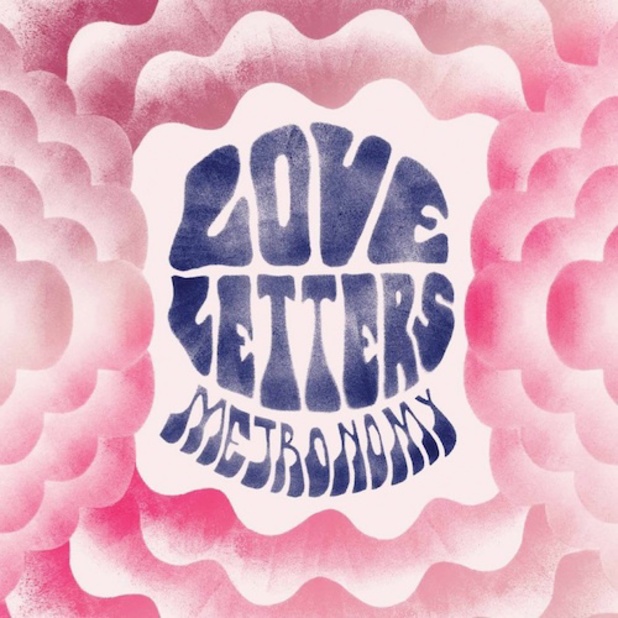
Record review: Metronomy – Love Letters (2014, LP)

The best thing about Metronomy’s 2011 breakthrough The English Riviera was that founder and chief songwriter Joseph Mount allowed what began as a fairly obscure solo electronic act to finally blossom into a full-blown band. The result was an album of exquisite and visionary pop that turned the quartet into an international concern, and once again it’s when Mount relinquishes control on Love Letters that the resulting sounds are most exciting. After three tracks of beeps, clicks and pseudo-baroque synth tickling it finally happens in exuberant and celebratory fashion on the sing-along title track, followed by the laid-back ‘Month of Sundays’ and creepily noir-ish ‘Boy Racers’. The mood doesn’t last throughout the second half of the album, and despite ‘Reservoir’ offering somewhat of a lifeline, the end comes in rather limp fashion with the plodding ‘Never Wanted’. Eclecticism has always been a large part of Metronomy’s appeal, but Love Letters is an album of two halves, and only one of them is in any way memorable.

Record review: Band of Skulls – Himalayan (2014, LP)

Band of Skulls Himalayan

The argument over whether rock ‘n’ roll is or isn’t dead or dying is one that is regurgitated every couple of years, but thankfully groups like Band of Skulls prove it isn’t at all necessary to be desperately searching for the next saviour of the form. The English trio has been making straight-up rock with garage and blues hints since 2008, and shown a pleasing progression over the course of their three albums; from the fresh but scattered Baby Darling Doll Face Honey to the the harder, more polished Sweet Sour and now this third effort, which is also the first to be produced by Nick Launay (Arcade Fire, Nick Cave & The Bad Seeds). Radio-friendly singles ‘Asleep At The Wheel’ and ‘Nightmares’ stay rooted in familiar territory, while others tiptoe down unfamiliar alleyways, like the rockabilly-tinged ‘I Feel Like Ten Men, Nine Dead And One Dying’, darkly Gothic ‘Toreador’ and lighters-in-the-air anthem ‘You Are All That I Am Not’. Bassist Emma Richardson’s vocals on ‘Cold Sweat’ are grand and graceful enough to make the song come off like a Bond film theme, and she ultimately steals the show over the course of twelve songs. While there’s no stand-out killer of a track, it’s satisfying to know there are still bands like Band of Skulls making rock music and winning fans the old-fashioned way; by putting in the hard yards on tour and getting a little bit better with each release.