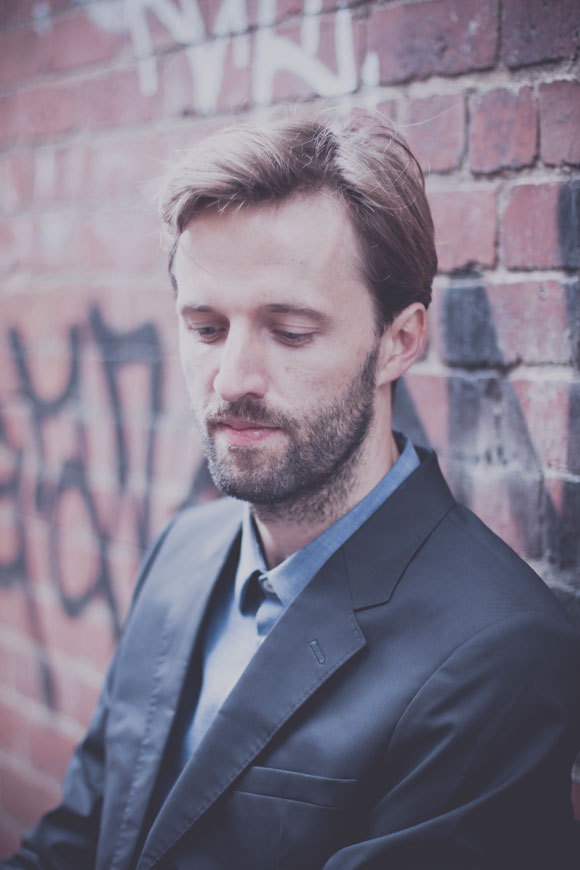
Ella Hooper: “It’s been going nuts live”

Ella Hooper

WITH her stint as team captain on Spicks and Specks at an end, former Killing Heidi lead singer Ella Hooper is getting back in touch with her first love; making music.

The 31 year-old’s new single from upcoming album In Tongues is ‘The Red Shoes’; a take on the classic Hans Christian Andersen fairytale.

“I think it’s so evocative,” she says. “It’s well-covered territory; everyone’s had a go at reinterpreting this tale. I think the biggest influence on me was actually the [1948] film; the beautiful adaptation that was done around the ballet, where the ballerina dances herself to death. It’s about obsession, but remains very delicate and classy with the way it handles it. I think with this whole album, I’m looking at lots of different ways that things can take you over and push you off your natural path, and sometimes that’s a bad thing and sometimes it’s a good thing. ‘The Red Shoes’ is a little bit of both, I think.”

Fans of Killing Heidi will find much to like about the new single, but Hooper says to expect a few new ingredients throughout the record.

“[‘The Red Shoes’] is actually the rockier side of the album,” she says. “It’s not all like this. My first single ‘Low High’ is probably a better indication of the meat of the record, but I really wanted to get ‘The Red Shoes’ out there too because it is my rockier, more anthemic song, and it’s been going nuts live. There’s probably two or three other tracks in this vein, and the rest is more ethereal and a bit more kooky.”

While these are the first tentative steps into a solo career for Hooper, she was able to count on an old friend for support and musical direction.

“There’s definitely a big influence from my producer Jan Skubiszewski,” she says. “He’s Way Of The Eagle; he’s been around for years and has done lots of great stuff. He comes from a more urban background, so that was another reason I wanted to put down the guitar for a bit. I write almost all my stuff on guitar, so I wanted to put that down and get into a studio with Jan to work with some beats and do a couple of things I haven’t done before. He’s my main collaborator on this album and probably the reason why it sounds so different to everything else I’ve ever done.”

With much changing in the day to day life of the radio and TV personality, it was inevitable that her song-writing would be affected, she says.

“It’s a bit of a break-up record; it’s a tough one. It’s about Saturn returning, which is that astrological phase when you reach your late twenties in which everything you’re not meant to take into adulthood is ripped away from you or falls away, and you have to redefine yourself. I ended a long-term relationship and changed my working situation. You know, I’ve always been in bands with my brother and this is the very first time I haven’t worked with him. There has been so much change, and a lot of it has been scary and a little bit painful, even though I know it’s right. So the album is about going through those things to come out better on the other side.”

Hooper will play release shows in Sydney and Melbourne to air the new solo material, but don’t be surprised if she pops up in other projects any time soon.

“I’m focussing on the future,” she says. “There will be the two singles we’ve put out already, ‘Low High’ and ‘Häxan’, and ‘The Red Shoes’. We also like to chuck in a couple of interesting covers, because I do know it’s hard for a crowd to sit through a whole set of brand new music. We like to throw in anything from Fleetwood Mac to strange country songs. I already do miss [being in a band]. I miss hiding in the band and being part of a whole thing. I have an amazing backing band now, who I feel very close to. They’re fantastic musicians, and will be touring with me for the Sydney and Melbourne shows. I sort of feel like I have created a bit of a band around me, but I definitely look forward to other side projects where it’s not under my name; where I can just be a character amongst other characters again.”

Her stint on the rebooted Spicks and Specks came to an abrupt finish with the recent announcement that ABC wouldn’t be recommissioning the show, but Hooper remains upbeat.

“I would definitely love to do more [TV work],” she says. “It was just the most amazing opportunity, and it was really sad that it didn’t last longer, but I’m hoping to keep looking at things in that arena. At the end of the day, it was just not up to us and we’ve all had to practice letting go, and I’ve had so many nice comments about the show. I’m a big one for trying to get more music on television; I just think it’s crazy there’s so little. We have the fantastic RocKwiz, which I’ve been really involved with, and Spicks was a another really great way to get more music on TV. I’m passionate about that, and hopefully in the future I’ll be able to be involved in something that gets more music on TV.”

Although the show is a big loss to Hooper and lovers of music on television, don’t expect to catch her putting her feet up and taking things easy.

“Music isn’t how I pay the rent any more,” she says. “I do a lot of other things as well. I’ve got my radio show on Sunday nights all over the country on Austereo. I also host a program called The Telstra Road To Discovery, which is a song-writing search for the next great generation of song-writers; that kicks off in a month’s time and goes through the second half of the year. I’m also doing a few other things that I can’t talk about yet; some more mentorship and song-writing projects. I’ll also be writing some music for an event in the countryside where I come from, so I’ll be quite busy. Oh yeah, and releasing my album [laughs].”

Ella Hooper plays:
Newtown Social, Sydney – July 17
Shebeen, Melbourne – July 18

For Beat and The Brag

Cale Fisher of The Floating Bridges: “Our music has a very positive vibe”

floating bridges

SUNSHINE COAST roots quintet The Floating Bridges are aiming to bring their tropical vibe to as many sets of ears as possible with a new single and upcoming tour, says bass player and vocalist, Cale Fisher.

“Our music has a very positive vibe in our lyrics,” he says. “It’s about day-to-day living stuff; how you treat other people, what you do when you go out and setting examples for others. That vibe comes across in the music and people latch onto it. It’s a really positive, uplifting sort of vibe.”

After coming together following high school, the band got into roots music and found their sound. A line-up change earlier this year saw Fisher move from rhythm guitar to bass, and the acquisition of Johnny Curran – brother of Jeff Curran of Dallas Frasca – to play additional guitar. It’s this line-up which wrote the as-yet unreleased single.

“He came and had a jam with us and it’s going really well,” Fisher says. “He had some neat little licks and just kind of fitted in. We’re just putting the final touches to [the single]; it’s called ‘Dreamcatcher’. We’ve got a heap of songs written, and it’s basically just a matter of narrowing them down at the moment. We’ve always had a bit of a rule that if a song is written we don’t disregard anything. Even if it sort of gets shelved for a little while before we come up with something new to make it better, we’ve always had this rule not to write anything off. We go from there and work on it all as a group. We’re group writers and everyone has their input into the band.”

The band hails from Yandina, in an area which Fisher says has helped shaped the band’s sound.

“We believe that where we live is one of the most beautiful places in Australia from what we’ve seen,” he says. “So we’re pretty lucky like that. There is a really strong roots music scene up here, especially over the last three years, and definitely a lot of our influences that we draw locally come from other bands here and Brisbane bands that are similar to us. We’ve never had any issues or blues at our gigs. People just enjoy the vibe.”

Refreshingly in touch with social and racial issues, Fisher says a part of the band’s approach is to raise awareness of cultural respect and fairness.

“We’re really passionate about Indigenous culture in Australia,” he says. “We’ve got a very big connection to our local elders in our area; the Gubbi Gubbi people. We’re very well connected with those guys, and we think it’s really good as a young person these days to be culturally aware of what’s going on and what’s happened in the past. We don’t want to cause any arguments or anything like that, but we just want people to be aware of what’s happened here before and everything, so when you make your decision on cultural awareness [issues], you’re well educated, you know? A lot of people make uneducated comments about different things, but we believe it’s really important to know where you’re from and to know what happens.”

With a new single and EP in the works, the rest of the year is set to be a busy one for the group.

“We’ll get a heap of shows under our belts around the country first,” Fisher says. “Then we’ll be looking to release the single, probably some time in the next three or four months. We’ve got our single release, then an EP release later in year and we want to lock in as many festival dates as we can. Basically, we want to enjoy the journey.”

For Beat and The Brag

Remi: “I was trying to write stuff that was a bit deeper”

remi

REMI Kolawole began collaborating with Sensible J and Dutch in 2011, and the rapper’s lyrics have continued to evolve without looking back. The Melbourne trio’s new album Raw x Infinity takes a new, edgier direction, as on singles ‘Livin’ and ‘Tyson’.

“We’re just trying to show to anybody who had only heard ‘Sangria’ last year the direction we’re going in,” Remi says. “Our last album, Regular People S#%t, was quite an eclectic listen. A lot of people who have heard that album would probably be ready for our current album, but for a lot of people who hadn’t – as triple j opened us up to a much wider audience than before – this was a good way to let them know what they were in for when they were getting this album. We have beats that are heavily driven by strong drums, live musicianship and there are no samples on ‘Livin’. I guess it’s also a bit deeper than ‘Sangria’; we’re talking about how we’re all being told how to live, as opposed to getting pissed in Brunswick [laughs]. I guess that it’s more of a move to show people our range and what we’re going to do. We just really like the song as well.”

The 22 year-old is keen on embracing a wider range of subject matter, and tackles topics like racism and politics in his songs. But does he consider himself a political rapper?

“Quite the opposite [laughs]. I just write from the average person’s point of view. I can’t pretend to be anything more than I am. [Tony Abbott] doesn’t really speak to me or the people who are around me. Obviously that’s just my opinion, and that’s what rap is. If anyone agrees, that’s cool, and if anyone disagrees, that’s cool as well. It’s all quite progressive; we’re always trying to do something new. On this album, I was trying to write stuff that was a bit deeper. This was all stuff that I just kind of picked up, but by no means do I want to be considered a political or super-conscious rapper. I just write about what I see or what I experience, and I guess some of the political issues came out.”

New single ‘Tyson’ is a no-holds-barred blast of Remi flaunting his lyrical talents over a brutal beat.

“Obviously you should be sending a message,” he says. “That should be a part of what you’re trying to do. But at the same time, you can also rap just to rap and get it out of your system. You can write some shit that hopefully sounds cool, you know what I mean? That’s ultimately what ‘Tyson’ is; just straight rap braggadocio bullshit that I’ve tried to construct to be as entertaining as possible. All the stuff that I write is basically made up of my experiences, or stuff Sensible J, Dutch and I talk about. I could be anywhere; I could be on the bus and see something happen and write about that. On the flip side, with Sensible J; he’s making beats in his head while he’s at his computer at his day job, so you just got to let the music take you whenever, in the most un-corny and unclichéd way [laughs].”

The new material has earned the trio plenty of national radio play, which Remi happily embraces, albeit with a touch of caution.

“Up until about three or four months ago we didn’t actually have any management or anything like that,” he says. “So we always operate like nobody’s got our back, if that makes sense. We’re thankful for anyone who plays our shit, because the stuff we’re doing at the moment is lyrically and sonically different to what’s going at the moment. It’s strange to us if anyone picks up on that and we’re thankful for it. By no means are we banking our career on anyone, because I don’t think you should be writing your music for a station or a magazine or anyone. Those avenues should allow the artist to do what they do, then spread their music, not the other way around. I’m totally thankful for what triple j has done for us, as well as any other media coverage that we’ve received. At the same time, I’m not going to bank on the stuff we do being picked up or written about because that would stifle my creativity and the creativity of Sensible J and Dutch.”

The group’s upcoming calendar is a busy one, with plenty of chances to air the new material.

“We’ve got our national tour coming up; the Raw x Infinity tour,” Remi says. “Then after that, we go to Splendour in the Grass, which will be great. Then we’re doing a few other – perhaps two or three – nationwide tours before November. Then we’re going to Germany in November, and back in December to hopefully do a bunch of festivals. We’ll be doing a couple of showcases in Germany, and we’ll definitely be going over there just to kick it [laughs]. I’ve been told only good things about Berlin, so I’m pretty excited.”

RAW X INFINITY BY REMI IS OUT NOW.

For Beat Magazine.

Directors of Good Vibrations: “It felt like it channelled a bit of the original spirit of that gig”

richard dormer

TORN apart by the violent sectarian divide known as The Troubles, Belfast in the 1970s was the last place you would have expected to see a musical revolution.

Enter Terri Hooley: founder of the Good Vibrations record store and label, which helped kick-start the bomb-ravaged city’s punk scene. The film of the same name tells the story of Hooley’s life and the bands his determination inspired, as directors Lisa Barros D’Sa and Glenn Leyburn explain.

“We became involved in the film while there was just a brief outline written by Glenn [Patterson] and Colin [Carberry], the writers,” says D’Sa. “They had originally come up with the idea. We knew a bit about Terri Hooley through the music scene he was involved in, and we knew of him as an extraordinary man who had lived through extraordinary times. I think what really appealed to us about the story when we came across it, was that we realised that this was just not a story about a local legend, but a really universal story about someone who was a light in the darkness during the worst of times for a lot of people. It was a story about music and youth in general; just that spirit of youth that won’t be downtrodden. This was a time when young people wanted to be going out, meeting people and working out they were, but it wasn’t safe for them be to be out, meeting their friends in town and doing those kinds of things. It’s a story about that compulsion, that determination to go out and live your life, despite whatever dark forces are closing down the city you live in. That was something we felt that audiences all over the world might respond to. We also knew it was an opportunity to tell something that was celebratory with that distinctive dark comedy wit that is born of this place. I think we found that we had the opportunity to show all of that in the story and to create something of a celebratory spirit that was perhaps going to be a new way of looking at it.”

The Northern Irish conflict is not widely known about or understood internationally, but ‘Good Vibrations’ is a story with universal themes, says Leyburn.

“I think there were a lot of things about this story that we hoped would have a universal resonance,” he says. “Especially in the times we live in today. There’s conflict all over the world, and there are kids and teenagers facing the same challenges as those in Belfast at that time. Our story is a positive one; one that we hope has been told with humour. There have been films about The Troubles in Northern Ireland that tend to focus on soldiers or prisoners or whatever. That is the story we’re telling; it’s just about a different thing. It’s about that spirit of resistance and people who refuse to be defined by the dark forces around them. We’ve been lucky enough to travel around the world to film festivals. It’s been played in South Korea, the Czech Republic and the list goes on. A lot of those audiences have connected with it, and there’s a resonance to their own recent histories.”

At 65 and retired, Hooley no longer owns the store, but was an active influence in the making of the film.

“To tell the story, Terri had to be on board,” Leyburn says. “The fact that he was able to get to know us was important to him and to us. I knew of Terri and his legend; I’d seen him around Belfast and bought records from him, but I didn’t really get to know him. Through the process of developing the script and the film I got to know him really well. Terri has a very unique way at looking at the world. He’s a unique story-teller, and tells stories that are very vivid and interesting. I think for us to get to know him as well as we did helped us to bring a bit of his verve for life and telling stories to the screen. Also, just for the spirit of the thing; he came to the set and there was always an open door for him. You can’t make a story about somebody who’s still around and shut them out; I think that’d be the wrong way to approach it.”

While the story is one of inspiration and punk rock, the directors were keen to paint Hooley in as realistic a light as possible.

“He’s obviously a flawed human being, as we all are,” says D’Sa. “He’s a very generous person, and that comes across in the film, and once he was happy for us to make the film, he was particularly generous about it. He trusted us to go and make the film. It’s not going to connect with everyone if you make someone appear like a saint, and we had to tell the story to be true to what we were trying to say. The first screening we had when we finished the film was for Terri himself. We sort of hoped it would be just for Terri and his close friends and family. We wanted him to see what was a potentially difficult portrait of himself in a way, and we wanted to give him a chance to see it without anyone there. Typically for Terri, he wasn’t worried. He did bring a group of close friends, but for Terri that tends to mean about 200 people. We watched it in a room full of people who had been there at the time, and of course we were worried about what his reaction was going to be, but at the end Terri was in tears and made a lovely speech; he was very gracious and said how much he had been moved by the film. He has travelled with us a lot, and come to screenings all over the world. I think it’s just typical of the person that he is that he’s felt good about supporting it and sharing his story with the world.”

Game of Thrones actor Richard Dormer plays the title role, and was an easy pick for the job, says D’Sa.

“From the very first stages of developing this film, we knew Richard was the actor we wanted to cast,” she says. “Not only is he a phenomenal, subtle actor, we knew he was going to be brilliant at inhabiting the role and soul of this character. He also understands the DNA of the place and the time. We did a pilot, and Richard kindly agreed to come and play the role in a few early scenes. That was job done; once we had screened the pilot to the financiers, any of their concerns seemed to wash away at that time, because they could see what they believed, and that was that he was going to do an incredible job. It’s a very dynamic, charismatic performance, but one which also allows you access to the vulnerability to of that character. We’re really glad he’s been cast in things like Game of Thrones and big movie parts, and it’s incredibly well deserved.”

richard dormer

The story culminates with a huge punk gig, organised by Hooley to pay off the label’s debts. Luckily, the directors were able to call on another Belfast band to help out.

“We had a lot of support from Snow Patrol, who are executive producers and financiers of the film,” D’Sa says. “It was really down to them that we were able to get 2000 extras. On our budget we couldn’t afford to do that, but the Snow Patrol guys put out a call on their fan site asking people to show up at the Ulster Hall in Belfast, dressed in appropriate punk clothing for a couple of hours filming. Of course, within an hour, we had our 2000 extras for the scene, and the treat for them at the end was that the guys would play a two-hour acoustic gig after filming. So, we all these extras in punk clothing, the entire cast and crew was there, and it was a really joyous experience that felt like it channelled a bit of the original spirit of that gig.”

GOOD VIBRATIONS IS IN CINEMAS JUNE 12.

For Scene Magazine/Scenestr.

Will Farquarson of Bastille: “Australian women are very attractive”

bastille band

THE synth-pop juggernaut that is English quartet Bastille returns to tour Australia after selling out venues here last year, and bassist Will Farquarson wastes no time explaining why the band is looking forward to it.

“The women,” he says. “Australian women are very attractive. Actually, you have all the same chocolate and chips and stuff as us; that’s really homely. When you’re travelling it’s really nice to be somewhere that has things from home, like a Twix or something. I know it’s ridiculous. And you have the Queen on your money, which is nice. Architecturally it’s more like America, but the people are closer to English people, so it’s kind of like being at home but in a cool American way. Everyone is so friendly as well, and the fact it’ll hopefully be sunny most of the time is going to be good. We’re just coming for the heat.”

The cheeky Farquarson, speaking from the band’s tour bus somewhere in Central Europe, goes on to dryly explain how the group’s live show has evolved.

“We’ve got more lights and a bigger screen now,” he says. “We’ll jump about more, maybe. We’ve got a couple of new songs. One is called ‘Blade’ and is a bit rock-y; I play guitar on it, and we did ‘Weapon’ with a rapper called Angel Haze. Our fans can be quite surprised when we come on stage with a rapper, although sadly he can’t come to all our shows, so we won’t be doing that at all of them. I can’t rap; I’d have a go but I don’t think anyone wants to hear it.”

Bastille have only existed since 2010 and have released only one album, but that didn’t stop them selling out venues in Sydney and Melbourne in August.

“We’ve been lucky with live stuff generally,” Farquarson says. “It’s surprising that happened somewhere so far away, and given we’d not been there at all beforehand. It’s amazing anyway when you sell a show out, but especially when it’s at the other side of the world. It’s better than nobody coming, which would be rubbish. We’ve [recorded] quite a bit of the new album. To break things up on tour we’ve been recording while we’re away. We’ve got maybe ten or so songs as demos ready to go. In the [northern hemisphere] summer we’ll be going into the studio to get the album done and then maybe early next year it’ll be coming out. We’re not worrying too much about it; I think we’ll be okay.”

The band’s debut, Bad Blood, was re-released as an extended version entitled All This Bad Blood, which means extended periods of touring.

“We wanted to do a double album,” Farquarson says. “It’s everything we’ve done live, mix-tape things and some of the B-sides from the past couple of years. Just because something is a B-side doesn’t necessarily mean we don’t like them, and we still wanted people to hear them. We thought it would be nice to put all the things that didn’t make it onto the main album together. We’re going to be doing a load of festivals – God knows how many – over the summer, which will be wicked fun. Then we’ll be trying to record this album, then it’s back to the grindstone after that. The main objective is to get the album done this year; that’s one thing we all really need to focus on. If we can do that we’ll be laughing. Maybe we’ll have time for a holiday at Christmas, I don’t know.”

BAD BLOOD AND ALL THIS BAD BLOOD ARE OUT NOW VIA VIRGIN.

Bastille tour dates:

Friday 13 June – Brisbane Convention Exhibition Centre
Saturday 14 June – Sydney Hordern Pavilion
Sunday 15 June – Melbourne Festival Hall
Wednesday 18 June – Perth Challenge

Ofa Fanaika of Chocolate Strings: “We’re kind of superstars in our own little way”

chocolate strings

BRISBANE funk/reggae/soul collective Chocolate Strings have just released a new single, and it’s a smooth and delicious taste of things to come, says singer-guitarist Ofa Fanaika.

“’Playing Pretend’ is a double A-side single with another track called ‘Polyamory’,” she says. “It’ll be part of an album that we’re looking to release in September or later in the year. We’ve recorded maybe eight tracks at this point, and we’re just working out what sort of journey we want to take our listeners on and what best represents where we’re at now. We’re going to try to capture that on the album.”

The song features the band’s trademark collision of genres and a soulful vocal by Nia Falekakala.

“It started with a guitar riff I’d been mucking around with, and the vocalist on that particular track wrote the lyrics for it,” Fanaika says. “The essence of the song is about being genuine and upfront, and saving yourself the drama of wishing you had done something right at the beginning, hence the name ‘Playing Pretend’. We were recording a bunch of tracks and it just seemed like the one that stuck out the most, and after other people had heard it, it ended up being a favourite.”

The band has eight members pitching in ideas, so when asked if everyone agrees on everything, Fanaika laughs.

“No comment! No, we’ve been doing this for a pretty long time and we’re pretty upfront with stuff. We don’t like to beat around the bush when it comes to things that are best for the songs, so we don’t actually have a lot of fights. A lot of the time we’re playing songs live before we’ve recorded them, so we can run through the process that way, and decide if it’s something we can put down.”

Firm roots in Brisbane’s creative community has helped the band develop and grow.

“I’m pretty proud to be a West End citizen,” Fanaika says. “It’s a lot different to most other suburbs in Brisbane. It’s a particularly creative community and inclusive of artists, and a real imaginarium of people that are thinking about expression. We can bounce ideas off other people who are doing a similar thing in whatever creative thing they’re promoting, and a lot of concepts cross over; the artistic, music and community worlds. In West End, our networks are shared amongst other like-minded people, so for every person who likes Chocolate Strings, they tell ten other people. In this neighbourhood, we’re kind of superstars in our own little way, and that’s kind of a nice thing.”

CHOCOLATE STRINGS PLAY THE MOTOR ROOM MAY 30. ‘PLAYING PRETEND’ IS OUT NOW.

Will Farquarson of Bastille: “Everyone at NASA seemed to be a fan”

bastille rio

ENGLISH synth-pop sensations Bastille may be in the middle of a sell-out US tour before hitting Australian shores next month, but bass player Will Farquarson has bigger things on his mind. Outer space, for one.

“We went to NASA the other day and met the director,” he says. “We expressed an interest on the Internet and then they got in touch and invited us. He said ‘Oh hi, I became the director of NASA when I stopped flying spaceships’. It’s a surreal thing, the fact that writing some songs and playing a bit of guitar gets you to hang out at NASA. Also, we got taken to the actual place where they’re building the Orion spacecraft, which is the next generation of spacecraft. It wasn’t even like a tourist-y trip; it was the actual laboratory where they’re building the spaceship, and it was all a bit weird. But a lot of things in our lives are quite surreal, to be honest. The strangest thing was that everyone at NASA seemed to be a fan, and it’s a sad thing as they were imploring to be ambassadors of NASA as they need the younger generation to engage and show an interest. When NASA people said ‘Oh my God, you’re in Bastille,’ I was like ‘Dude, you’re literally a rocket scientist’.”

Cosmic concerns aside, Farquarson and his three band-mates are looking forward to a run of Australian shows in June, having sold out venues in Sydney and Melbourne as recently as August.

“We’re always amazed when we sell out shows in our own country,” he says. “So to do it in places where we haven’t spent as much time is just amazing. It’s mind-boggling that we haven’t done much promotion there, and yet there’s this appetite for our music, but it’s very gratifying and we look forward to coming. Our live show is more band-oriented and more heavy, with a harder edge to it than the record. The record was made as a studio project and then when you tour it for a year and a half or two years it takes on a new dimension; it has a bit more guts.”

Over a quarter of a million copies of debut album Bad Blood have been sold in the UK alone; a statistic that Farquarson isn’t keen on analysing too intensely.

“A lot of people in the industry are always looking for the formula,” he says. “I think that it’s just that Dan’s [Smith, vocalist] song-writing is strong. I think sometimes people don’t realise that our stuff just connects with the public, and we were lucky that we were quite a word-of-mouth sort of thing; we never really got much hype or press in the UK. I think we just grew quite a solid, loyal fanbase over the course of the two years prior to releasing the record. [The album] went triple platinum, which is a crazy, crazy number of records to sell.”

As if that isn’t enough, the record was re-released as an extended version in November.

“It can be quite cynical after an album is out to just chuck a couple of bonus tracks on,” Farquarson says. “But there’s quite a lot we’ve done in the last year and a half that didn’t make it onto the original album. There were a lot of B-sides that were recorded that we loved just as much as the ones that were on the album, we did two mix tapes and there were was some material that we did live. So, we wanted everything that we’ve done with a whole bonus section on the second disk, and it was nice to put all the bits and bobs into the one package.”

The band recently covered Miley Cyrus’s ‘We Can’t Stop’ for a UK radio session, with almost disastrous consequences.

“We did an Eminem riff at the beginning,” Farquarson says. “Apparently he’d written a verse on his record dissing her, but then it turned out that was all a hoax. We kind of inadvertently got involved in a beef that wasn’t even real, and nobody wants to be involved in a fake beef. I think generally she gets a bit of a rough deal. I don’t like her music particularly, but she gets flak for doing things that other people do and don’t get flak for. Rihanna and Madonna and other pop stars have done things just as risqué and trashy, and yet she has become a bit of a pariah, I think.”

With an end to touring almost in sight, Farquarson already has one eye on the next Bastille album.

“We’ve got 16 or 17 tracks demoed for our second album already,” he says. “We’re going into the studio in September to record; hopefully by then we’ll have twenty or maybe more. I think it’s always better to have more material and whittle it down. Our producer has gone on tour with us, so we’ve been doing things on our days off and during soundchecks. One of the weirdest things about being in a band is that when you have so many commitments and do so much travelling, making music is sort of a secondary thing to flying around the world, touring and promo stuff. It’s been nice to spend some time being creative again.”

BASTILLE PLAY:

Friday, June 13 – Convention Centre, Brisbane
Saturday, June 14 – Hordern Pavilion, Sydney
Sunday, June 15 – Festival Hall, Melbourne
Wednesday, June 18 – Challenge Stadium, Perth

BAD BLOOD BY BASTILLE IS OUT NOW.

James Vincent McMorrow: “It definitely took me by surprise in the most wonderful way possible”

james vincent mcmorrow

JAMES Vincent McMorrow’s music is tailor-made to fill big spaces, metaphorically and literally. Luckily for him – and us – an upcoming show at QPAC and two nights at the Sydney Opera House will allow it to do just that.

“I want [the show] to be something that’s not just song, gap, song, gap,” he says. “I want it to be something that flows and gets bigger as the set goes along. We’ve got this really expansive lighting rig that we’re bringing; it’s kind of the fifth person on-stage. Hopefully we’ll bring a booming big set.”

The 31 year-old Irishman is no stranger to Australia, having been here as recently as five months ago, but he admits the sudden demand for tickets caught him off guard, in a good way.

“I don’t really pay attention to what’s going on in particular countries unless I’m there,” he says. “We were [in Australia] in January and the reaction was brilliant. When we talked about doing these shows, the idea was to do them way later, then all of a sudden I was told things are really good here. About a week after they put them on sale, I got a call saying that the Sydney Opera House was sold out and they were adding second dates. It definitely took me by surprise in the most wonderful way possible. I mean, I’m pretty ambitious and I want to play places like that, but I didn’t expect it to happen this quickly in somewhere as far away as Australia. But then, you can’t predict everything; sometimes things just work. We just finished the US tour, and it was very much big venue to small venue to big venue, depending on which city we were in. I don’t feel any different if we go from 1600 people one night to 600 people the following; I still feel the same. Obviously Sydney Opera House is a special place; it’s like the Royal Albert Hall or Carnegie Hall or somewhere like that. There’s a resonance that goes beyond it being just another show, perhaps. I’ve looked at all the other Australian venues and they are all stunning and look amazing, so I won’t think about them any differently, and they’re all equally important.”

Released in January, Post Tropical is McMorrow’s second album, and sees his sound moving further away from his folk roots in a more soulful direction.

“This record was made for people to live with for a while,” he says. “I didn’t expect it to give itself away to people incredibly quickly. It’s been interesting going from territory to territory and seeing people’s reactions. The first record did very well in Europe, and when we played shows there we could see people starting to wrap their heads around the new sounds and new ideas. By the end of the shows we could really see people understanding it. When we went to the US, people were really into it intensely, and we could hear people singing every word. It was very soon for that for me; with the first record I spent two years working away before people really heard anything. The response to the new record was really quite compelling and drove me onwards to play the songs better and better every night. The response has been how I hoped. I never expect it; I just hope for it when I do these things.”

The first single is ‘Cavalier’, which McMorrow explains is the most accurate representation of what Post Tropical has to offer.

“I chose it because I thought it was the best song on the record, in the sense of letting people know what’s coming,” he says. “I wanted it to be a song that draws a line in the sand, or plants my flag in the ground or whatever you want to call it. It’s a definitive sound; there could have been songs that show where the last record was and where the next one is going, before we deliver something like ‘Cavalier’ further down the line, but I didn’t want to do that. I think people are smart, and I’m not in the business of trying to convince people; you either like it or you don’t, and that’s totally fine. With ‘Cavalier’, I thought people will hear it and either be in or be out. If they hear it and understand what I’m doing and what I’m going for, musically and stylistically, then they’ll like it. I don’t want to waste people’s time putting out songs that might be a little bit like something they might’ve heard before, then when they go to the record it’s different.”

JAMES VINCENT McMORROW PLAYS QPAC FRI 23 MAY. POST TROPICAL IS OUT NOW.

Henry Wagons: “It was good to have more hairy, loud men to aid the cause”

wagons band

IT’S 11am and Henry Wagons is getting ready to start work, even though it’s his day off.

“I’m not very good at resting,” he says. “Even now, on the coast, in my bed, I’m still talking to you.”

It’s this work ethic, coupled with a laddish charm and penchant for ragged Americana that the self-styled benevolent dictator of Wagons has made the basis of the Victorian group’s sixth record, Acid Rain and Sugar Cane.

“It’s our first one in a few years and it was incredibly fun to make,” he says. “It took a long time, but I think all of us are happy with the final result. It was long, loud and pleasurable, and I think that comes across in the record. I’m a proud father and very excited for it to get out there.”

Despite the three-year period since the band’s last record, Rumble, Shake and Tumble, Wagons says getting back with the group was just like riding the proverbial bike.

“The main core of the group all went to high school together,” he says. “They’re the people I like playing with the most. It’s like being an amoeba floating around in the plasma, drifting away from the mothership, then locking into the bacterial network again and pumping out the virus and the disease like nobody’s business. Maybe that’s a strange analogy! With the solo record [2013’s Expecting Company?] I had to make every single decision and more or less play everything as well, so I was looking forward to creating a collaborative record again. This record is more collaborative than any we’ve done before; I really leant on the guys. It was good to have more hairy, loud men to aid the cause.”

A reassessment of their approach to recording led Wagons to work out how to allow the band to play to its strengths.

“I had a very particular aesthetic and way I wanted to record the album,” he says. “I wanted to really capture the live element that we’ve got together. Studio environments can make communication difficult when you’re all wearing headphones and listening to separate mixes between separate glass panels. All too often in the studio I’ll be in a vocal booth with an acoustic guitar, I’ll finish the song and there’ll be 30 seconds of total silence where we’re all glancing at each other through our respective vacuum chambers, wondering how it went and gesturing through mime. You’ll hear a crackly producer from three metres back going ‘that was good, maybe do it one more time!’ We’ll be like ‘what the fuck’s going on here?’ So to cut a long story short, I wanted to record in an environment where we’re all in the one room. I’d kind of been listening to the Bob Dylan and The Band record The Basement Tapes, where you can really hear that they’re all recording in one room, kind of shit-faced. It’s not so much the most high-fidelity recording, à la Sting or Pink Floyd. They were there to have a good time and the actual recording is almost an afterthought. I basically ended up recording it at a place I got on the Mornington Peninsula in Victoria, where I have basically loaded in all the vintage gear I’ve collected over the years and set up a studio space. It sounds live, because most of the songs we are all playing together in one room. My vocals come through a PA system in the same room as where the drums are, and it creates this space that I think you can hear in the record. Instead of some elaborate setup, where you’re recording the drums with 20 microphones, the ambience actually comes through the vocal microphone, which is placed six metres away. All the instruments bleed into each other as if we’re on the stage, and it’s a very exciting way to record. I don’t think the fidelity has suffered from it at all. We recorded with a whole bunch of gear I’ve acquired over the years, inspired by Elvis’s late ’70s stage setup in Vegas, so we’ve got a lot of fun old gear.”

Despite the familiarity felt within the band, outside help was enlisted from an esteemed source.

“We were able to take our time,” Wagons says. “We weren’t spending our record advance on studio time, where the clock is ticking every day. What it meant is that we could spend money on recording with people we respect. We had Mick Harvey, the former Bad Seed; he’s done amazing production work with PJ Harvey and did the Serge Gainsbourg stuff. So, instead of spending a thousand dollars a day on some hot-shit national studio or going into Sing Sing or whatever, we were able to bring in geniuses around us; these people we really revered. It took a long time to record, but at our own leisure we’d get together and have four-day getaways. I even had a baby in the middle of the recording process, so it basically came together across six months at our own pace. We were able to just press record when it was all ready to go. The record is quite a trip, quite a journey and the songs take unexpected twists and turns a lot of the time. We were enjoying ourselves too much; we didn’t want to just shit out a three-minute song each time. Mick Harvey’s production style is to join the band, essentially, so he’d be playing drums, keys or percussion on every single song on the record. We had all this money left over to pay to get it mixed at Ocean Way Studios in Los Angeles by the guy who did Edward Sharpe & the Magnetic Zeroes, who have some of the most epic sounding records of recent times. I wanted a dose of that on our record, and he has made it sound incredibly full and incredibly live. It just wanted the average way of blowing your record advance; we were very considered and spent it in a way that made us have a whole lot of fun that translates onto the record. I’d do it again in the same way in a heartbeat.”

While every Wagons album release is an event in itself, the live Wagons experience is on another level.

“The album has a lot of horns and female backing vocals,” Wagons says. “For the big capital city shows, that’s going to be represented on-stage. We’re in the midst of rehearsing the new show as we speak. Because the songs are so live on the album, that energy is transferring well to the live stage. There are going to be a lot of really fun new elements to the show. As it is, I love to interact with the crowd and get amongst it, and this show is definitely going to be no different to that; it’s going to be very loud and very fun.”

ACID RAIN AND SUGAR CANE IS OUT MAY 16. WAGONS’ TOUR OF AUSTRALIA BEGINS IN ADELAIDE MAY 22.

Shane Parsons of DZ Deathrays: “We can pretty much do what we feel like”

dz deathrays

THEIR debut album might have won the 2012 Aria Award for Best Hard Rock/Heavy Metal Album, but Brisbane thrash duo DZ Deathrays are expanding their sound on follow-up Black Rat.

“Our single ‘Northern Lights’ was one of the first songs we wrote,” explains singer-guitarist Shane Parsons. “It came together pretty quickly. We hadn’t put out a slow song in a long time, so we thought we’d do something that’s kind of like our ballad. We went over to England to do some shows with our other band Velociraptor and we used that time to jump in a studio and do that song over there. We wanted people to see that we could do other things; we’re not always going to be all loud guitars, cymbals and screaming. It’s the slowest song on the record by far; everything else is more upbeat and some songs are the heaviest we’ve done. It was like a bit of a curveball, I think; to see how people would react. We got a lot of good feedback, and we also got some people who were shirty as us for releasing a song that wasn’t exactly how the other songs sounded, which was interesting. But we can pretty much do what we feel like, and some people are going to like it and some aren’t.”

The duo of Parsons and drummer Simon Ridley have had a meteoric rise since their humble beginnings playing house parties, having toured relentlessly and played some of the biggest festivals in the UK and North America.

“We started playing a few of the new songs at SXSW, including the latest single, ‘Gina Works At Hearts’,” Parsons says. “We’ve played ‘Northern Lights’ for a bit, and another song called ‘Ocean Exploder’, which we’ve been playing since we toured with The Bronx about a year ago. It was our third year doing SXSW, and we did ten shows in four days. It was good to have that much to do, but at the same time it began to get a bit tough. We were playing a show at midday and then had a last show at one in the morning, and we were in town the whole time sitting in bars trying to stay sober but also stay a little bit drunk, you know? We played a couple of really great shows, but unless you’re a band that’s really high up on the buzz radar, you’ll play five shows and two will be good, I think. Maybe four out of ten were good for us this time. We only really saw the bands that were on before and after us, and even then I was too busy packing it. That was the worst thing probably; not being able to see other bands that I wanted to see. I had a couple of days off where I went to some showcases and saw a few bands. I went to the Laneway showcase and saw Royal Blood and a bunch of bands in one go, and the pressure was off, so it was good to just mosey around the festival. You go there for the experience, and we decided that we’ll do a lot of shows and push ourselves to the limit, and then we had a week off and went to San Francisco.”

Their upcoming headline tour of Australia will provide the perfect opportunity for fans to hear new material on home soil.

“It’s been great playing the new songs,” Parsons says. “We’ve been putting together the set-list for the Australian tour; being able to chop and change between the new songs is really fun. It’s not hard to reach an hour long set now, with two albums of material to choose from. It was a funny one because we really wanted to get something out last year. We had done a bit of touring at the beginning of last year and had the rest of the year off. We were a bit worried about being away for too long; especially from the UK and America. Then it just took time to actually get the songs together and get them to a level we were happy with for the album, and it’s really good to have it all sorted and ready to go. We did a few writing sessions where we went away into the countryside and came back with ten or twelve songs, and four of those would get re-written again and again. Even up until going into the studio there were a couple of songs about to be recorded that we hadn’t finished and were kind of half done or maybe didn’t work as well as some of the others. We just tried to write as much as possible and eliminate any dead weight. We wanted this album to be shorter in track numbers and a bit more punchy in terms of the songs grabbing you straight away, so we did focus on that a little bit more than on the first record.”

The growth in the band’s sound means an additional touring musician is needed, with a potential long-term opening for the right person.

“The new record has a whole bunch of extra guitars on there, and they’re the best bits,” Parsons says. “We can play the songs without them, but it doesn’t have the same impact as having them there. It’s just an evolutionary thing for the band, and if we could train somebody up on all the songs we would be happy to tour as a three-piece. We had a choice to have another person up there playing or having a backing track, and we’re always going to choose to have another person there. We had Cesira [Aitken] from The Jungle Giants play with us at SXSW. We’ve got a friend playing a few shows on the Australian tour, and Dion [Ford] from Palms – who are supporting us – is going to do all the rest. At the moment, we’re doing four songs they’re going to play on during the tour. I’ve got the guitar parts all tabbed out, so they just have to learn them, but it’s pretty easy stuff. In the future I guess we’ll see if somebody is willing to go full-time with us and tour everywhere. The only thing is it’s quite hard for somebody to go on tour with us, which means they can’t work at a job, which is hard when people have to pay rent and stuff. We’ll see how we go with it all; there are only a few songs which need an extra guitar, and the rest we play as a two-piece.”

BLACK RAT BY DZ DEATHRAYS IS OUT MAY 2ND. AUSTRALIAN TOUR DATES:

Thu 8 May Elsewhere | Gold Coast, QLD (18+)
Fri 9 May The Zoo | Brisbane, QLD (18+)
Sat 10 May Spotted Cow | Toowoomba, QLD (18+)
Thu 15 May Karova Lounge | Ballarat, VIC (18+)
Fri 16 May Corner Hotel | Melbourne, VIC (18+)
Sat 17 May Jive | Adelaide, SA (18+)
Thu 22 May Prince of Wales | Bunbury, WA (18+)
Fri 23 May The Indi Bar | Scarborough, WA (18+)
Sat 24 May Amplifier | Perth, WA (18+)
Sun 25 May Newport | Fremantle, WA (18+)
Thu 29 May Transit Bar | Canberra, ACT (18+)
Fri 30 May Rad | Wollongong, NSW (18+)
Sat 31 May Oxford Art Factory | Sydney, NSW (18+)

Russell Marsden of Band of Skulls: “It’s a tipping point now”

band of skulls

ENGLISH alt-rockers Band of Skulls are probably one of the hardest working bands in the business.

Since their 2009 debut Baby Darling Doll Face Honey, the trio of Russell Marsden, Emma Richardson and Matt Hayward have consistently won fans the old-fashioned way; by touring relentlessly and improving with each album. Singer-guitarist Marsden explains how their hard work is paying off with new record Himalayan.

“It’s an exciting time,” he says. “It’s a tipping point now. The fact now that we have three albums to choose from really makes a difference. Only having one record makes playing a show for more than forty minutes quite a challenge, so now that we have all these records to choose from makes our shows much stronger. We’ve had the record finished for a while and it’s kind of a relief to be able to share it with people. I think that’s probably the emotion that’s going through our minds right now. We’ve been playing the songs live, so we’ve got a little bit of a feeling about how people feel about the new songs, but now people can get the record, take it home and live with it, then come see us play. When we’ll be down in Australia, that will definitely be the case, so that’ll be exciting.”

The band’s second album, Sweet Sour, was released in 2012 and saw their songs evolve with a cleaner, harder sound. This time around, they weren’t willing to sit still either.

“We changed producers for this record,” Marsden says. “That was kind of a big shift. Nick Launay came in to do this one, and we made it in London, so this was the first time we didn’t record in the middle of nowhere. We went into the studio every day and worked on the songs, instead of being stuck somewhere on a farm. It really changed the dynamic of the recording session, and I think that comes out in the music; it was fun to do it every day and we really relished the challenge. Previously it was more intense, but this time we were doing a week together and a week apart. This time we definitely took the work away, then reconvened and kept the best ideas and trashed the rest. We all had to learn to accept that fact that your idea might not be the best idea. We’re quite good at it; we don’t come to blows but we might disagree now and then. Musically, I think the sound has come of age. We know what our sound is, but we also feel allowed to not just be a blues-rock band or just a heavy band, and our audience will allow us to continue to experiment in a few different directions. It’s more of a challenge to be able to play the new songs; we’ve written some that are quite tricky and are just at the edge of our ability. We challenge ourselves, and the first few times we play them live are seat-of-the-pants moments, but once you get over the first couple of times the confidence grows and it becomes more natural. Once we get our teeth into them, it’s really great. The record comes out soon and the songs know it; I think the songs are onto us. But there’s a certain buzz about playing tunes for the first time in front of people, and that’s part of the thrill which we’ve enjoyed so far. There are a couple of tracks we haven’t done yet too, so we’ve still got a couple of those moments left.”

Despite the obvious benefits of having new songs to play live, Marsden admits the expectations the band put on themselves to write the best songs possible is the driving force behind the band.

“We give ourselves our own pressure,” he says. “Outside pressure doesn’t even get a look in. We’re really proud of the two records we’ve made and we loved working with [producer] Ian Davenport on those records, but we set the bar higher this time. If a song isn’t as good as something you’ve done before, then it basically isn’t good enough. Recording is an amazing experience, although it’s not easy. There are a lot of long hours, and it can be relentless and the hours are gruelling. It can wear you down and drive you insane. It’s a bit like sitting an important exam, where the result is going to affect your life in the future, but seeing ideas that you have in your head realised is a thrill. When something comes out well in the recording, you can’t help but sneak a thought about how it’s going to sound playing it to people in the future.

An upcoming June tour of Australia is something Marsden is hoping the group can repeat in the near future.

“We’ve been a couple of times now and the audiences are fantastic and really knowledgeable,” he says. “Your festivals are really good as well; you get a lot of international acts coming over. The competition is stiff, and we know it’s not going to be an easy ride, but we’ll be playing some bigger venues for the first time and that’s really exciting. I wish we could come back to Australia more often, but it’s a long way and it costs a lot of money for bands to come over. Hopefully this won’t be the last trip on this record. If it goes as good as we hope, we can maybe come back and do some more cities as we only have three stops this time. Hopefully we can return not long afterwards.”

HIMALAYAN BY BAND OF SKULLS IS OUT NOW. THE BAND TOUR AUSTRALIA IN JUNE.

Taylor Hawkins: “It sounds like we don’t give a fuck”

taylor hawkins

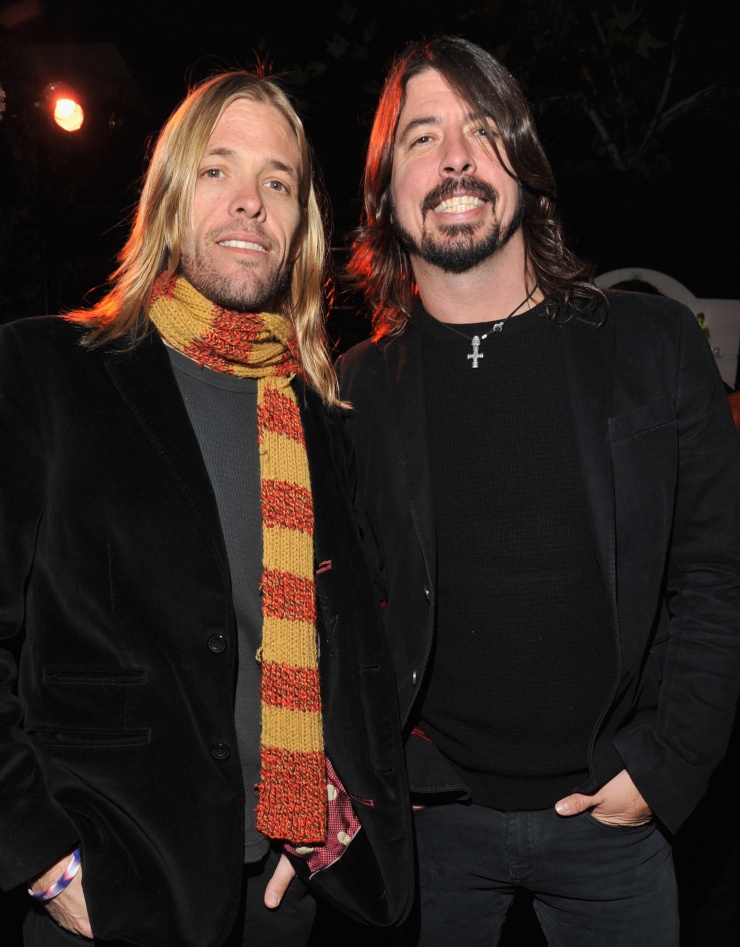
TAYLOR Hawkins might spend most of his time being drummer for one of the biggest rock bands in the world, but when the Foo Fighters take a rest, he doesn’t sit still.

The affable 42 year-old’s new side project is classic rock-influenced trio The Birds of Satan; whose self-titled album is unashamed in its straight-up approach to rock music.

“Wiley [Hodgden, bass/vocals] and Mick [Murphy, guitar] are a couple of buddies of mine,” Hawkins explains. “We play in a cover band called Chevy Metal; we play seventies and eighties rock from when we were kids. I just happened to be jamming with those guys and we always sound good together, and when it came to the time when I wanted to make a record, it felt good and I thought those guys could help me make the record really quickly. We did it and it was great. [The album] was really fun for me, and really easy to make, actually. It sounds like we don’t give a fuck, but sometimes that sounds good, you know what I mean? We did all the music in four days, and then we did the vocals over a two day period. Part of me really wanted to do it quickly, and I wanted it to sound like that. It’s not an [overly] produced record; I’ve done that with the Foo Fighters and I’ve done that with my own band, the Coattail Riders. I wanted to make a raw record. At the time when I was making this record, I was listening to a lot of people’s first records; records made by bands who didn’t have a lot of time. There’s something about that. I mean, listen to the first Black Sabbath record; that was recorded in two days. The first Led Zeppelin record was made in maybe a week or something. Van Halen’s first. All of those records were made in one day to a week. There’s something about that I really like. I like producing records, the layering process and everything, but that’s a whole other sort of trip, you know? There’s something about just getting in there and doing something quick that has a different energy; I like those type of records. Although part of the reason that we made the record so quickly as well was because I didn’t have a lot of time. ”

No classic rock album is complete without a moment of rock grandeur or extended virtuosity, and here it comes in the form of nine-minute opener ‘The Ballad of the Birds of Satan’.

“That took us half a day,” Hawkins says. “We wrote it and recorded it in half a day, and we did another song that day as well, so it happened fairly quickly. We all threw three or four ideas at each other, stuck it all together and it came out like that, which is totally bananas. We set out to make it that way; I wanted to have a track that goes a million places, has weird time signatures and is sort of a schizophrenic kind of song. It was absolutely what I had in mind. I didn’t know how it was going to turn out, but I knew I wanted to do something like that.”

Despite the desire for a rawer sound and the tight time-frame involved, the well-connected California native was able to call on some outside help to finish the album off.

“Dave [Grohl] helped me finish writing a bunch of the songs,” he says. “He was a big part of the first song; the first riff was a guitar riff he had, which we put stuff together with. He was a big part of a song called ‘Wait Til Tomorrow’ and another called ‘Raspberries’. Those were the three he played on, if I’m not mistaken. Pat [Smear] came in at the very end on ‘Too Far Gone To See’ and played some guitar and things.”

With a debut album in the bag, Hawkins is keen to play the songs live, although in what form is yet to be decided.

“We’ve just sort of getting started doing that,” he says. “We played together the other day for a couple of hours, and I think we’ll start playing [the songs] in shows soon, which is exciting. I think that it can fall under the umbrella of other things. These are all songs that I basically have written or have written with other people. There are songs with The Coattail Riders that we could play with The Birds Of Satan. There’s no reason to be precious I don’t think; if we play a Coattail Riders song, it’s fine. I’m not trying to be disrespectful to that band, but I feel like The Birds Of Satan stuff could be played by a bunch of different bands, or by anything we’re doing at that time, you know what I mean? I could have made it with [The Coattail Riders], but it would have been very different. The Coattail Riders are really, really good players. This band are really good players too, but they’re good in a different way. This is the first record Wiley has ever even played on, so he’s hanging on by the skin of his teeth, but I like that energy. Mick is much more of a hard rock guitar player than anyone in The Coattail Riders, so it’s just a different feel. They could have made this record, but it just wouldn’t have been this record. It would have been another cool record for sure, and I probably would have liked it just as much, but it probably would have been very different. Either way, it was going to be made raw, and it probably would have been a lot cleaner with those guys. That’s not necessarily a bad thing, you know what I mean?”

THE BIRDS OF SATAN’S SELF-TITLED DEBUT ALBUM IS OUT NOW.

Dan Whitford of Cut Copy: “People have really embraced it”

cut copy

IT’S BEEN SOME TIME since Cut Copy played headline shows on home soil, but this is one electronic four-piece who haven’t been sitting still.

Producer, songwriter and vocalist Dan Whitford explains why the upcoming Australian shows are going to be special, and how the band has made new fans in some unexpected places.

“We went to Moscow for the first time,” he says. “We played to a room of 1500 people. It was the same in Lima, Peru; we went there a few weeks ago, and that was a voyage of discovery. But we’ve found that people know our music and we have a fanbase that is excited to see us, so we’ll try to make the effort to get in front of our fans. On one hand, we’ve seen more of the world for ourselves, and on the other we’ve expanded the places we can tour around the world. It’s grown from just doing Australian shows in the beginning to being able to play most places around the world, which is a pretty amazing thing. We were really surprised; I think it’s partly due to people listening on the Internet and that kind of thing. We weren’t aware of any radio play or anything in these places, but obviously people are managing to find our music by other means. When we went to Russia we were kind of amazed that people knew even our first record, which wasn’t our breakthrough and is a bit forgotten or obscure. We found a lot of people requesting songs from that record, and everyone knew all the words; it was quite amazing.”

The band’s latest album, Free Your Mind, was released in November, and it’s one Whitford is keen to introduce to Australian audiences.

“The last time we played in Australia was about three years ago, so we’ve totally revised our show,” he says. “We’ve got a new record out, so we’ll be performing a bunch of stuff from that, and we’ve just got a completely new lighting design, projections and visual stuff as well. Hopefully people will be excited to see something new. We’ve played festivals here in that time, but our last headline show was that long ago; I suppose because we took time to make the new record and this is the first time we’ve been able to book in some headline shows. I’m glad we’ve managed to get it happening again, because obviously we started out in Australia and tour pretty extensively all around the world these days. There are lot of opportunities for us everywhere, but we still love coming home and playing to our longer-serving fans and audiences that have been listening to us for a long time. Often when we play something new people will sort of sit there with a slightly stunned mullet look on their face. They’ll take it in, but not necessarily respond by dancing or anything. We’ve found with this new record that people have really embraced it from the beginning and have responded to the songs as if they have been listening to it for a long time, which is really good. What we look for in terms of a good show is to have people really moving and responding to what we’re doing, and it’s been really good off the bat for the new record.”

Having appeared at just about every major festival in the world, Cut Copy benefit from their music appealing to both dance and indie-rock fans.

“It’s always been a good thing,” Whitford says. “Because we’ve felt that we’ve been able to have a foot in both camps, so to speak. We don’t belong 100 percent to either; we’re strangely between worlds, and sometimes that really does work in our favour. At indie or guitar sort of festivals, playing dance music that’s a bit more energetic or upbeat can make a nice change for people, and at dance festivals where it’s mostly DJs playing, we can come out and play live music and have a more engaging show. Visually, that definitely excites people.”

The frantic pace of the touring cycle doesn’t look to let up for the Melbourne band, with a return to Australia slated for later in the year.

“We’ll be touring for most of the rest of the year,” Whitford says. “With our last record we ended up doing 180 shows in the year, but I don’t think we’re going to try to repeat that this time. Between now and the end of October or November we’ll be doing a bunch of northern hemisphere festivals, then hopefully play a bit more in Australia towards the end of the year if we’re lucky enough to get offered some festivals.”

CUT COPY PLAY:
THE METRO THEATRE, SYDNEY – MAY 8TH
170 RUSSELL, MELBOURNE – MAY 9TH
EATON’S HILL HOTEL, BRISBANE – MAY 10TH

FREE YOUR MIND IS OUT NOW.

Dizzee Rascal: “I’m just trying to make good decisions and stay out of trouble”

dizzee rascal

BARTENDERS TAKE NOTE: Dizzee Rascal would like his champagne served in the traditional fashion when he returns to Australia to play Groovin’ The Moo and a run of solo shows this month.

The East London rapper’s latest album, entitled The Fifth, came out in September, and introduced the 28 year-old to a range of new experiences.

“This was the first one I actually did in America; jumping from studio to studio, working with different big producers and other pop artists,” he says. “I’ve never done that before; everything has always been done at home or in-house up to this one. Going to the clubs out there and seeing the music in its environment can be an absurdity; the crazy, over-the-top-ness, especially within the music industry. I’ve seen things like that in London, don’t get me wrong, but when there’s a line of fifteen girls with fifteen bottles of champagne with sparklers in them that cost a few grand each, or a girl in a rubber dinghy delivering champagne to a table full of fucking drug dealers and rap superstars in the middle of a club while they play the Superman music, it’s a bit much, you know?

“I’m just kind of starting to understand [America] a little bit, so I was linking up with people there, and it just felt nice to record out there and be out of the way. And then obviously – in LA especially – there is a lot of big music being made there; it’s one of the key music places, as well as Atlanta and a few other spots. But LA is the serious one; when you’re there you can bump into anyone. I walked into the studio one day and Chris Brown was there talking to Spike Lee. There’s random shit like that, know what I mean? [My music] was always influenced by American music, but the last few years I’ve spent more time there, on my own even. From 2002 I’ve always spent time there to do shows or a few little tours, but it was always just in-and-out. All I knew about America was just from TV, music and movies, and it wasn’t until the last few years that I actually got to absorb it; mainly Miami, LA, Houston and a bit of New York. You can argue that that’s not even the real America, but those places are their own thing in their own right, and I understand America a little bit more now.”

A seasoned touring artist and grime pioneer, Rascal is confident of putting on a good show.

“There’s lots of energy in our show, and we’ll be bringing it all to Australia,” he says. “There’ll be material from all my albums, from the first up to The Fifth. At the smaller shows I’ll be playing more of the stuff that I won’t be able to fit into the festival set. I wouldn’t call it abstract stuff, but it’s stuff that’s geared more towards the die-hard fans, as well as the big or the more commercial stuff. For the festivals, it’s all the big stuff; things that will work in a festival environment. Big sing-alongs and things that will make people jump up and down, basically. [The new material has] been going down alright. To be fair, we played a lot of the stuff before it came out anyway. A lot of it was debuted in Australia as well, and it’s going to be nice to come back there after the album has actually been out and people have got to absorb it, so I’m looking forward to it. The thing is, for the last few albums, because of the time of year they have been ready to be put out, the music was tested out in Australia and New Zealand first.”

Collaborations have always been a major feature of any Dizzee Rascal album, with his latest featuring a range of guest vocalists and producers.

“Some of it was planned,” he says. “Someone like Will.i.am; I’ve bumped into him for years but we never managed to get anything recorded, or we recorded some shit and never finished it. This time I was working with Jean-Baptiste and he and Will.i.am have done a lot of work together, and that’s how the Will.i.am thing came about this time. Robbie Williams was another one I’ve bumped into a few times and we got on and everything, and I was looking for someone to record that song with. We rang him up and he agreed to do it as long as I came out there and recorded with him, which is rare as these days as most of the time I’m never in the same room with people. It was nice to actually sit down with him as he recorded his vocals. I’ve got number one songs I’ve done with Calvin Harris and we were never in the studio together; it’s crazy.”

Despite having been a recording artist since the age of 16 and already a veteran of the scene at 28, Rascal still feels the pressure of releasing new material.

“There’s always pressure,” he says. “It’s always one of the most stressful things, anticipating how it’s going to do and all that. But once it’s all over, I just want to get stuck in and do it all again. I know what it’s like, but just love doing it and seeing how far I can go. If it works, wicked. If not, I’ll try something new. There’s nothing worse than thinking you’ve got a big tune and when you play it live it’s not quite going that way, and everyone’s looking at their watches. That’s never any good. You got to work harder to perform those songs and get them across, but you live and you learn, innit? Some songs don’t come across as well live either; some are better for radio or albums, and vice versa as well. People get twisted up in asking about what I used to sound like or what I still sound like. What was good about what I did back then was that it caught the moment; I think that’s what the best music does. If I tried to capture that time again it wouldn’t sound right, so I’m just capturing now the best way I can, and so that people will still want to hear it in ten years time.”

While his earlier career was peppered with controversy, mainly surrounding an alleged feud with fellow grime MC Crazy Titch, Rascal insists the future is all that matters.

“I’m just trying to make good decisions and stay out of trouble,” he says. “The biggest thing for me is just trying to not do too much dumb shit; that’s what ruins a lot of artists in this day and age especially. Information gets out there so quickly and people can change their minds about you so quickly. Sometimes it works in your favour, because a lot of people seem to like the whole fucking reality TV idiot thing, but people can get really tired of you quickly as well. The best thing to do is to stay out of the way and let the music do the talking. The most you’re going to get out of me is my Instagram; sometimes I’ll put some crazy shit on there just to have a laugh and show a bit of my personality. I’m always working on new stuff; I’ve got ‘We Don’t Play Around’ with Jessie J, [which] I’ve just approved the video for that a few days ago, so that’s going to be on TV soon. I’ve been surprised [that] it’s been really big in Australia; I never saw that one coming. Even though I’ve played it there, I didn’t expect it to be the song with the most radio play so far. I love the friendliness of [Australia]. It’s one of my top-three places to perform. I like the people, the vibe, the buzz. There’s a really good gauge for live performing in Australia; if they like something you fucking know you’re onto a winner.”

DIZZEE RASCAL PLAYS GROOVIN’ THE MOO BEGINNING APRIL 25 IN OAKBANK, SA. THE FIFTH IS OUT NOW ON UNIVERSAL/DIRTEE STANK.

Michael Franti: “It’s about tenacity, courage and creating harmony in your life”

michael franti

MUSICIAN, poet, humanitarian, Bono fan; these are just some of the strings to Michael Franti’s bow.

The multi-talented Californian and his band will make a return to Bluesfest next month, as well as playing a sideshow at The Tivoli. “It’s our first time to Australia in three years, and we’re super excited to come back,” he says. “This is actually our twentieth year playing music together; we started in ’94. It kind of crept up on us; one day around Christmas I was sitting around with Carl [Young, bass] and I said ‘Carl, when did we start?’ We realised it was August ’94. We feel more excited about playing music than we ever have, and it’s just really great to be in a band with these guys. We never decide what we’re going to play until about 15 minutes before we go on-stage; we always mix it up every night. There are some songs people want to hear, so we try to play those, and we’ll go through the catalogue and revisit songs we haven’t played in a while. Sometimes we’ll play cover songs and sometimes loud party music that will get people up and jumping around at a festival. We love the festival setting and we’re looking forward to coming back.”

The upcoming gigs will give Australian fans the first chance to hear songs from Spearhead’s 2013 album All People live, as well as getting an advance on tunes that will appear on the as yet untitled follow-up.

“The songs were all written while we were touring and we’ve tried them out in front of audiences, so they’ve all be road-tested, so to speak,” Franti says. “It’s great when you can write a song in the morning, play it to fans in the afternoon and get their response to it. This record is a mix of acoustic music, political songs, roots and maybe more love songs than I’ve ever put on a record. We always have new songs ready for a record, and as soon as I finish writing them I like to play them; so there are a few new songs we might pull out. It’ll probably be another year before we release another record, but we’ve already been in the studio writing this stuff. The last two records had about a two year gap in between, but I don’t think it will be that long this time.”

Known for his political and humanitarian stances, Franti has changed his approach somewhat in recent times.

“My original band put out our first record in 1987,” he says. “I think a lot of us who have been involved in doing political work and political song-writing for a long time don’t know if any of the songs we ever wrote really made a difference to the world, and it’s easy to get frustrated. Right now I’m working on a documentary film about people I’ve met who have really inspired me and made me see the world and the work I do in a different way. Instead of trying to put out the whole world that’s on fire with this little water pistol that I have, I’ve learned how to use the water pistol to sprinkle the flowers in my own back yard and have a bigger impact. Lately, I’ve been writing about that more than specific political things; it’s about tenacity, courage and creating harmony in your life.”

Franti got his first major break when a certain rock quartet with a similar approach to political and social issues took his band on tour in 1992.

“It was really amazing,” he says. “We had a minor hit at the time and U2 saw the video for it, and they invited us to come out on the road. We went from being a little band playing in punk rock and hip-hop clubs and driving around in a tiny white van, to playing Yankee Stadium and all these massive venues. I was a fan of U2’s music at the time but I wasn’t that familiar with the guys in the band, and I remember the first week Bono came up to me and says [adopts Irish accent] ‘can I have a quiet word wit’ ya? There’s this one thing I need to talk to ya about’. I was worried and thought we were getting kicked off the tour, but he said ‘you know my guitar player? His name is The Edge, not Ed’. I had been saying things like ‘yo Ed, nice guitar solo! Yo Ed, nice hat! Yo Ed, you coming to the party later?’ I guess The Edge had gone to Bono and asked him to have a word. We’ve toured with tons of bands, and they’re right up there among our top experiences in terms of being treated well by the headliner. They always made sure we had enough time and space to set up our gear and sound check, and they always hung out with us. Whether we wanted to talk about music, religion or business things, Bono was always really amenable to having a conversation about anything; it was a really good experience for us.”

MICHAEL FRANTI & SPEARHEAD PLAY BYRON BAY BLUESFEST APRIL 21 AND THE TIVOLI APRIL 23.