Melbourne duo Tom Iansek and Jo Syme – a.k.a. Big Scary – aren’t a band to be restricted by genre. On their 2011 debut Vacation, they jumped between minimalist musical styles with ridiculous ease; from White Stripes-esque rockers to moody piano ballads, and they’re back with more of the same on Not Art. Describing their music as alternative pop, the pair have talent dripping from every pore, and they have an album with so much quality and versatility to surely make them more of a household name, both at home and overseas. It’s a slow-burning journey from the start, and one that will reward the patient listener for multiple listens, as Iansek switches between piano, guitar, whispered verses, and big choruses, and Syme hits the drums almost like a lead instrument in a way few drummers before have dared to do before, without ever being a detriment to the song. They can even make a Phil Collins homage sound cool on lead single ‘Phil Collins’, and question the validity of their music as an art-form on ‘Luck Now’. The boy-girl vocals and playful piano tinkling on ‘Twin Rivers’ are a joy to behold, as is harmonic piano ballad ‘Invest’. ‘Belgian Blues’ veers into Jeff Buckley territory, before ‘Final Thoughts With Tom and Jo’ closes the album with a final dose of piano-tinkling, accompanied by a sludgy synth. There is no obviously catchy single, and while they claim their album is not art, it should be appreciated as a whole. It’s most certainly Big, and it’s definitely not Scary; Not Art is quite the masterpiece. (Pieater)
mX
Record review: Maps – Vicissitude (2013, LP)
Back in 2007, the powers that be saw fit to nominate Northampton native James Chapman’s (a.k.a. Maps) debut album We Can Create for the Mercury Music Prize, among such esteemed company as Arctic Monkeys, Amy Winehouse, and eventual winners Klaxons. Six years and two albums later, and it’s hard to see what could have possibly possessed that year’s panel of experts; one has to assume it was a pretty lean year for British music, outside of a few big albums. That album at least had a relatively fresh sound for the time; the electronic shoe-gaze approach to making music being fairly uncharted territory in a year that saw a resurgence in beardy indie bands. The truth is, listening to Vicissitude is a tiring and insipid affair. Opener ‘A.M.A.’ sets the scene for what’s to come by evoking nothing but a face-cracking yawn, as waves of sickly, over-pleasant muzak waft over gentle vocals, and second track ‘Built To Last’ follows in a similar and almost indistinguishable vein. ‘Nicholas’ is probably the worst effort; getting through its six minutes of dull, repetitive dirge is a challenge to test the strongest of constitutions. The only positive thing that can be said about Vicissitude is that it could make pretty good background music in a situation when you don’t need to notice it, but that’s hardly much of a compliment, is it? It has to be assumed that making this album cost someone quite a lot of money, when really they shouldn’t have bothered. (EMI)
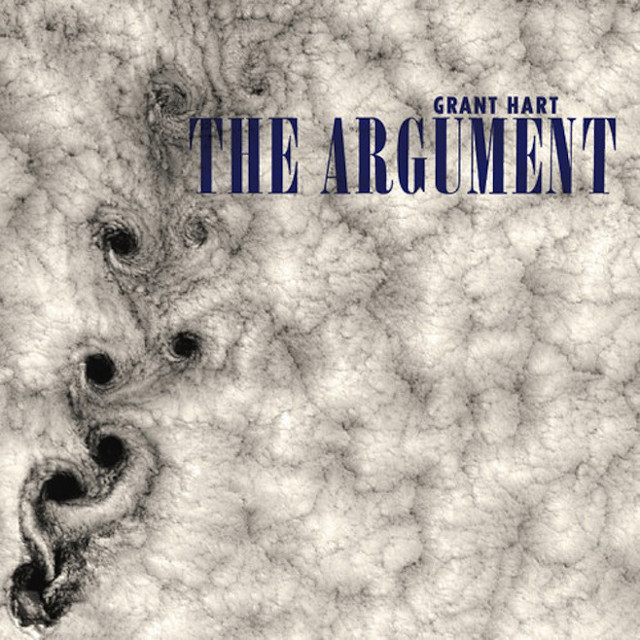
Record review: Grant Hart – The Argument (2013, LP)
Formerly sticksman for legendary ’80s hardcore band Hüsker Dü, Grant Hart moved from the drumstool to the singer-guitarist position long before Dave Grohl successfully did the same, but his subsequent career has enjoyed much less attention than the former Nirvana man. The Argument is Hart’s fourth solo album, following 2009’s excellent Hot Wax, and is a concept album about the epic poem Paradise Lost by 17th century poet John Milton, and Hart’s friendship with notorious beat poet William Burroughs. Sounds heavy, right? In some ways it is, and twenty songs and seventy-two minutes is a lot to get through, but like all Hart’s solo work, it’s laced with a variety of sounds, psychedelic fantasy, literary references, and grand themes; which is enough to keep you interested, and his song-writing is, as ever, first rate throughout. Opener ‘Out Of Chaos’ sees Hart indulging in some spoken-word theatrics, ‘Morningstar’ is a catchy lo-fi pop number, and ‘Letting Me Out’ is a jaunty rockabilly tune, while ‘If We Have The Will’ can only be described as a science-fiction polka. The melancholy ‘Is The Sky The Limit?’ is unquestionably Milton-inspired, as is the wonderfully off-kilter ‘(It Was A) Most Disturbing Dream’, as biblical themes involving the Fall of Man are explored. Translating these songs into forms that can be played live will surely be a major headache for Hart, but The Argument is a unique and brilliant album that showcases an artist who clearly has complete control over every aspect of his work, and the freedom to do exactly what he wants. (Domino)
Record review: Eden Mulholland – Feed The Beast (2013, LP)
Feed The Beast is the debut solo album from Motocade singer Eden Mulholland, and follows his 2012 Jesus Don’t You Get My Jokes EP. Listing influences like Bill Bryson, contemporary dance, smokes, and sex (probably not at the same time), New Zealander Mulholland effortlessly skips between genres with aplomb on this assured effort. Recorded and mixed by Neil Baldock (Crowded House, Sarah Blasko) in Auckland, Feed The Beast features elements of pop, rock, folk, tribal rhythms, and electronica packed into twelve three-minute tracks. The fact that the opening trio of songs are a catchy stomp (‘Cry Cry Cry’), a gently-ambling number (‘Mekong Delta’) and soaring pop song that starts as a maudlin piano ballad (‘Where Is My Jealousy’) probably says a lot about the variety of sounds on show, and Mulholland’s defiance of classification in general. Single ‘I Will Echo’ is a mid-album high point; a deceptively simple synth-pop song with a sing-along chorus and neat keyboard breaks. The 86-second acoustic title track certainly isn’t the centrepiece, and almost goes unnoticed between the shimmering electronica of ‘Body Double’ and the sound of science fiction nightmares on ‘Beside Itself’. ‘Such A Shame You Must Die’ is by far the most haunting track here, with soaring, ghost-like vocal harmonies and ominous lyrics like “I’m going to find you, I’m going to kill you; you will suffer tonight.” (Mental note: don’t get on Mulholland’s bad side.) Describing Feed The Beast is tricky, as there’s so much going on in such a small space, but the quality and variety of tunes makes this an album worthy of repeated listens. (Mushroom Music)
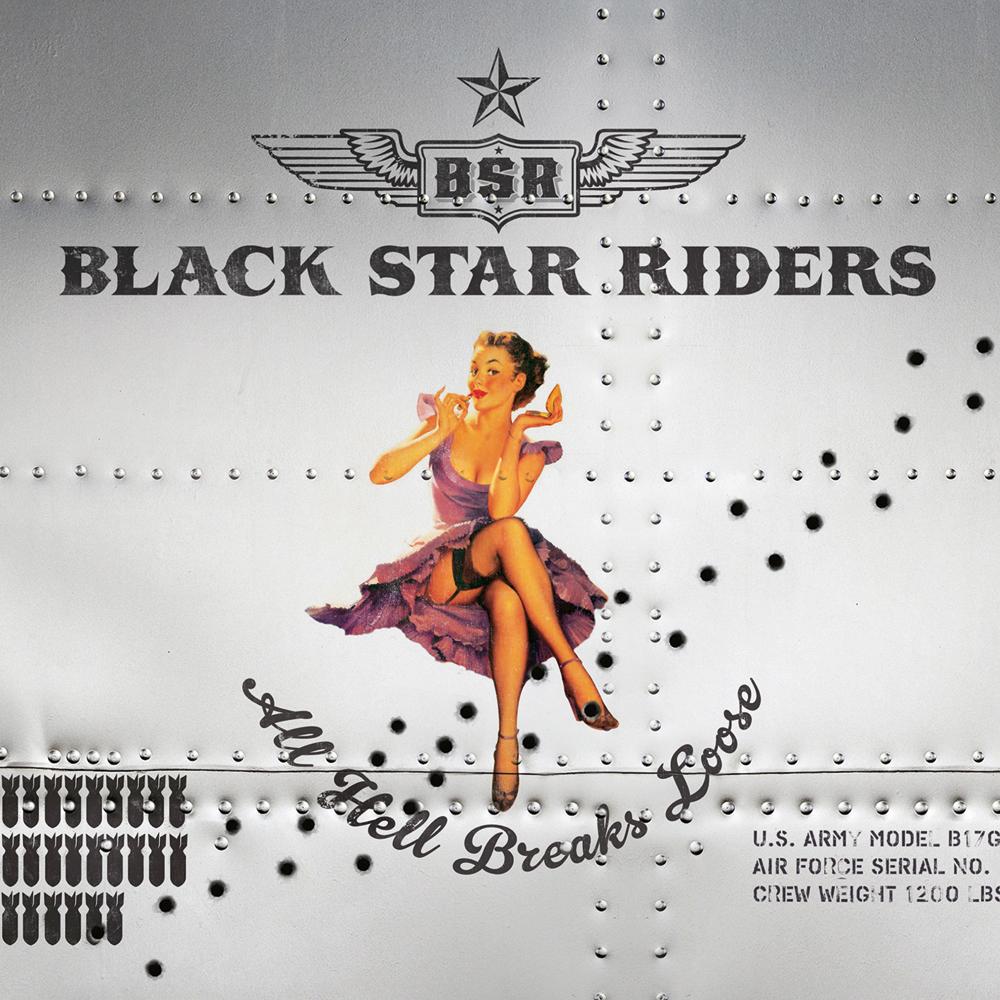
Record review: Black Star Riders – All Hell Breaks Loose (2013, LP)
When the most recent Thin Lizzy line-up came together in 2010 – twenty-four years after the death of founder and songwriter Phil Lynott – it was at a time when the band’s future was uncertain at best. However, with original drummer Brian Downey back on board, the Ricky Warwick-fronted version of the group brought a new lease of life to Lizzy’s songs, and earned rave reviews from fans new and old. Finding themselves bursting at the seams with new material, yet thinking it inappropriate to release anything under the Thin Lizzy moniker, the band formed Black Star Riders. With no chance of the Lizzy legacy being harmed, the pressure was off, and the resulting album is a solid collection of classic rock songs; all twin lead guitars and big choruses. Second track ‘Bound For Glory’ is the most Thin Lizzy-esque song on show, with Scott Gorham’s guitar lines and Warwick’s Lynott-like vocals sounding like a lot of the band’s late ’70s output, while ‘Kingdom of the Lost’ adds a Celtic flavour, in a nod to Lizzy’s Irish roots. The title track could have been plucked from Thunder And Lightning, and the customary extended rock jam comes at the end of closer ‘Blues Ain’t So Bad’. How much mileage this band has remains to be seen, as all members are involved in other projects and Scott Gorham is in his sixties, but if this is to be the final chapter of a legendary band’s career that began in 1969, it’s a fittingly good one. (Nuclear Blast)
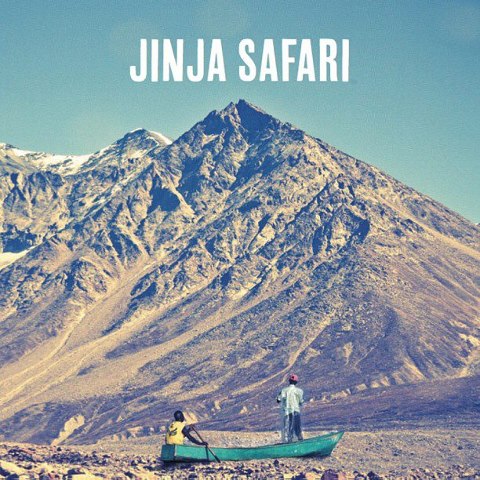
Record review: Jinja Safari – Jinja Safari (2013, LP)
Upon hitting the play button on the new Jinja Safari album, I experienced a dark and awful moment in which I thought I had somehow stumbled upon a Paul Simon album circa 1990. Desperately scrambling to find the stop button, I spilt my coffee over a book I’d borrowed from a friend, burnt my thumb with the hot liquid, and suffered a mild panic attack brought on by the thought that I was voluntarily listening to Paul Simon. Thankfully the faux-world-music-jungle-drum vibes of opener ‘Apple’ quickly melted away (and the book soon dried off quite nicely), leaving nothing but an album of catchy indie pop and a moderately throbbing thumb. The Sydney quintet’s second full length album comes with the pressure of high expectation, on the back of a couple of solid EPs, a well-received album in 2011, and a reputation for a killer live show. ‘Oh Benzo!’ has a funky bass-line and a catchy chorus that should get crowds singing along when played lived, while ‘Harrison’ displays the band’s Indian influences with a short sitar interlude. Single ‘Plagiarist’ has received heavy radio rotation in recent weeks, making it the most recognisable track; its upbeat melodies and vocal harmonies are simply infectious, and later track ‘Source of the Nile’ has Himalayan percussion accompanying another melodic vocal performance and breezy guitars. It could be argued that some songs blur into each other without any real noticeable difference, but overall this album is a quality melting pot of global pop influences. (Island/Universal)
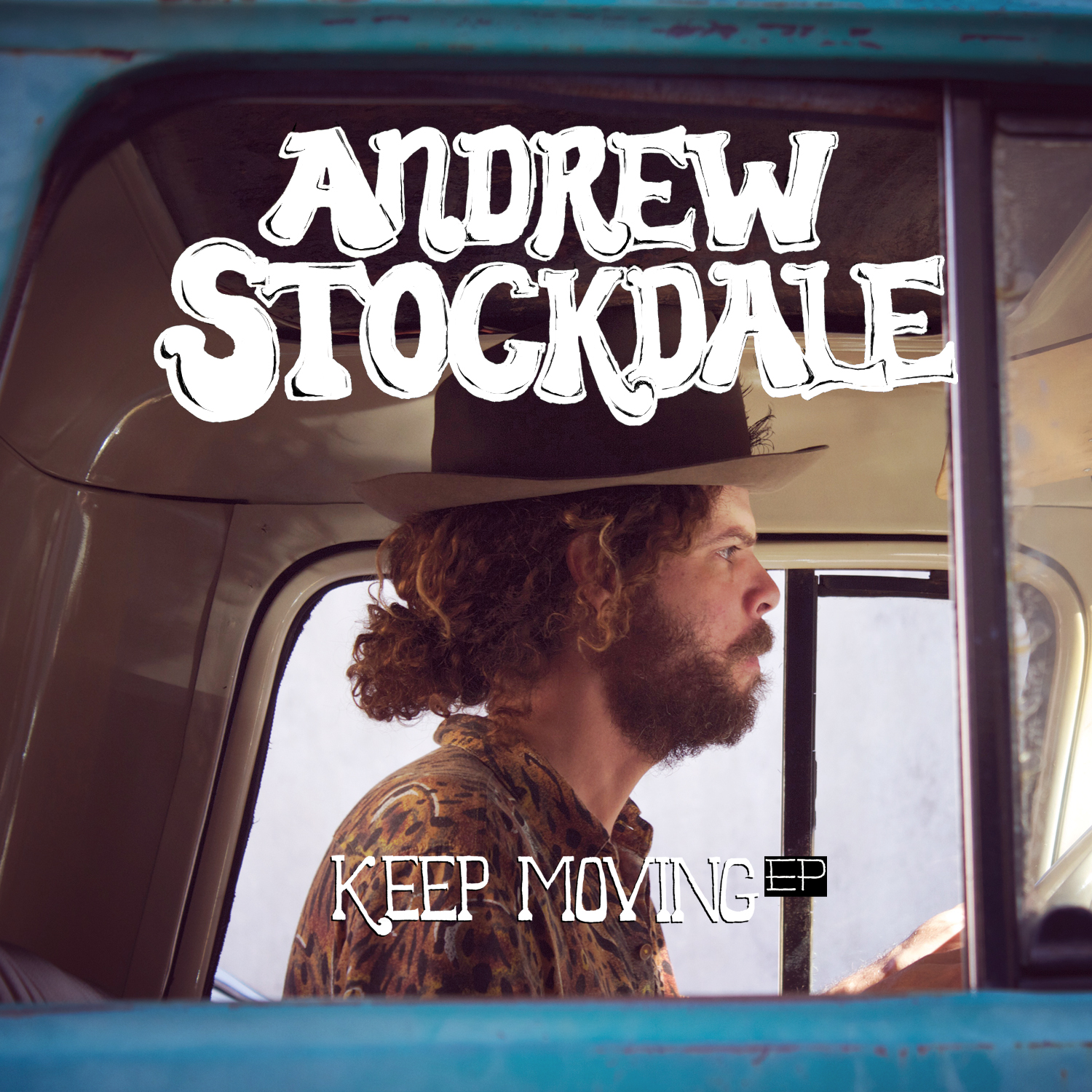
Record review: Andrew Stockdale – Keep Moving (2013, EP)
In a recent interview Brisbane rocker Andrew Stockdale suggested that while Wolfmother has been put on the back burner in favour of solo ventures, fans can rest assured that the band will possibly get back together “when the time is right”. For now, Stockdale is performing under his own name, and has released this four-track EP that precedes an album of the same name to be released later this year. If you’re expecting the change of moniker to bring a shift in sound and style for the singer/guitarist, then think again, as the overall feel is one of big rock riffs, monster choruses, and raw production. It’s Stockdale’s trademark ’70s hard rock sound that is the main ingredient in the sixteen-minute, four track EP. Opener ‘Long Way To Go’ begins with a riff that could have been lifted directly from Led Zeppelin’s Physical Graffiti (listen to ‘Custard Pie’ off that album and try to spot the difference) and second track ‘Keep Moving’ is heavy on riffs in the vein of Stockdale’s buddy Slash, with lyrics that could describe Stockdale’s career outlook since the demise of Wolfmother, while closer ‘Everyday Drone’ is an interesting mid-tempo track that features a neat harmonica riff but ventures a little too closely to Oasis territory for comfort. While it seems odd for Stockdale to release an EP and album so close together and with the same name, if the quality is generally this good it shouldn’t be a problem. (Universal)
Record review: Iggy & The Stooges – Ready to Die (2013, LP)
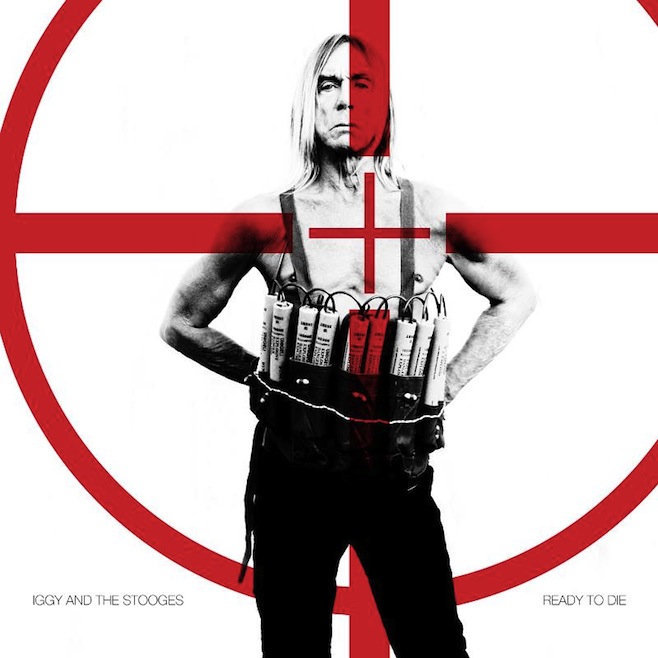
Never one to shy away from controversy, Iggy Pop is now 66 and appears on his band’s latest album cover semi-naked and strapped up with explosives in a gunman’s crosshairs; not the most tasteful of artistic choices given recent events in the US. Thankfully, music-wise, the influential frontman is nowhere near being ready to die, and still puts as much of his heart and soul into his music and performance as he did when The Stooges formed in the mid-sixties. Incredibly, this is only the band’s fifth album in that time, and it’s pretty much exactly what you’d expect from the proto-punk pioneers. Opener ‘Burn’ is dark and sludgy and sets the tone for what follows. “You’re taking over as the world turns, I’m on fire with a reptile, burn burn,” grumbles Pop, who’s in a pretty miserable mood throughout the whole album. ‘Gun’ sees him ranting “If I had a f**king gun, I could shoot at everyone” with typical Pop venom over a barrage of buzz-saw guitars, and ‘DD’s’ is a pretty ridiculous ditty about – you guessed it – massive breasts, reaffirming Pop’s determination to never grow up. Guitarist James Williamson is on top form throughout, having only picked up a guitar again in 2009 after a twenty year career in the electronics industry. There are a couple of clunky ballads to offer a bit of variety to the sounds on offer, including the downbeat ‘Beat That Guy’ on which Williamson solos like it’s 1975 all over again, and overall this album will feel very familiar to fans of The Stooges. (Fat Possum)
Record review: Primal Scream – More Light (2013, LP)
Now in its fourth decade, Primal Scream’s career has had more twists and turns than a motor race. From flower power, acid house, dub, dance, and straight-up rock ‘n’ roll, there’s not much the ‘Scream haven’t tackled since their formation in Glasgow in 1982. Since 2008’s Beautiful Future the band has undergone some changes; most noticeably with the departure of bassist Gary Mounfield, who rejoined the reformed Stone Roses and was replaced by Simone Butler. The great thing about Primal Scream albums is that you never know what you’re going to get, so what have the six-piece served up this time around? The answer is quite a mixed bag, and while it’s definitely not bad, it’s also not all good. Opener ‘2013’ is a decent attempt at a soaring rock song that will sound great live, but for every good song there’s one like ‘Culturecide’; a pretty poor attempt at a social/political statement that ends up sounding heavy and awkward, or ‘Goodbye Johnny’; a bizarre saxophone-heavy loungeroom number that sees frontman Bobby Gillespie doing his best/worst crooner impression. Single ‘It’s Alright, It’s Ok’ is pretty much 1991’s ‘Movin’ On Up’ revamped for a new generation; all uplifting Bob Marley-esque lyrics and handclaps, and ‘River of Pain’ features some nice acoustic guitar work over Gillespie’s breathy vocals. Primal Scream are one of the best bands to have come out of Britain since the ’80s, but a lack of cohesion and too much filler probably means More Light won’t be going down in history as one of their best albums. (First International)
Record review: Primal Scream – More Light (2013, LP)
Now in its fourth decade, Primal Scream’s career has had more twists and turns than a motor race. From flower power, acid house, dub, dance, and straight-up rock ‘n’ roll, there’s not much the ‘Scream haven’t tackled since their formation in Glasgow in 1982. Since 2008’s Beautiful Future the band has undergone some changes; most noticeably with the departure of bassist Gary Mounfield, who rejoined the reformed Stone Roses and was replaced by Simone Butler. The great thing about Primal Scream albums is that you never know what you’re going to get, so what have the six-piece served up this time around? The answer is quite a mixed bag, and while it’s definitely not bad, it’s also not all good. Opener ‘2013’ is a decent attempt at a soaring rock song that will sound great live, but for every good song there’s one like ‘Culturecide’; a pretty poor attempt at a social/political statement that ends up sounding heavy and awkward, or ‘Goodbye Johnny’; a bizarre saxophone-heavy loungeroom number that sees frontman Bobby Gillespie doing his best/worst crooner impression. Single ‘It’s Alright, It’s Ok’ is pretty much 1991’s ‘Movin’ On Up’ revamped for a new generation; all uplifting Bob Marley-esque lyrics and handclaps, and ‘River of Pain’ features some nice acoustic guitar work over Gillespie’s breathy vocals. Primal Scream are one of the best bands to have come out of Britain since the ’80s, but a lack of cohesion and too much filler probably means More Light won’t be going down in history as one of their best albums. (First International)
Record review: Ilias – Somewhere In Time (2013, LP)
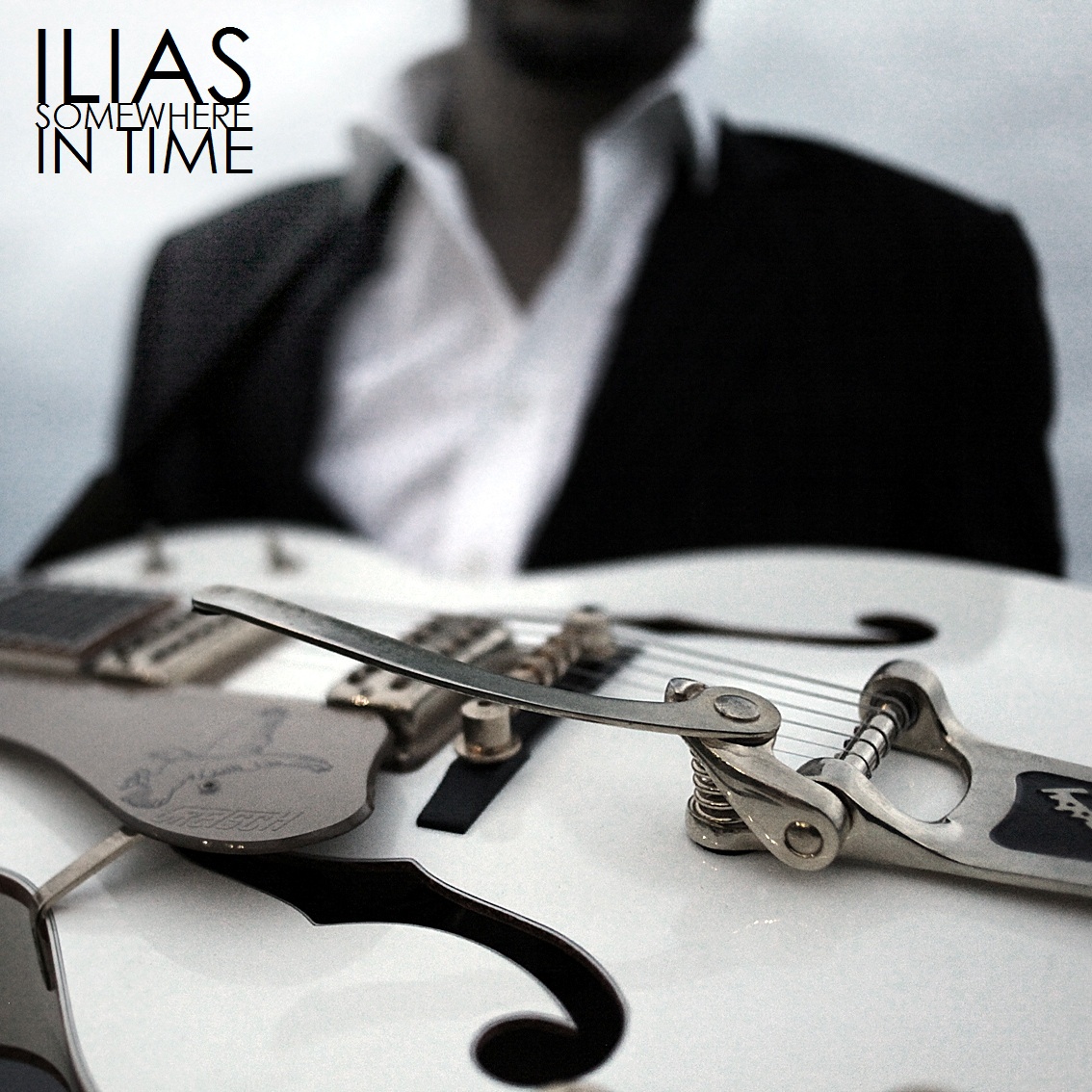
Sydney-based Algerian/Australian multi-instrumentalist, vocalist, and producer Ilias may have taken ten years to write and six months to record his debut album Somewhere In Time, but when you compose, play, and produce everything yourself, you can afford to go at your own pace. The result is an impressive eleven song collection of jazz-tinged folk and indie pop tunes that is as original as it is refreshing. The white Gretsch guitar on the cover gives a hint at what lies inside; as deft, understated guitar licks combine with Thom Yorke-style vocals and harmonies in a laid-back and effortlessly smooth affair. With opener ‘Never Utter The Word Never’ Ilias sets out his stall as a musician who values melody and feel above showmanship, and on ‘Loving You’ his vocal range is allowed to shine. The ethereal and dreamy pop aesthetic is a strong point throughout, and on riff-heavy mid album tracks ‘This Life’ and ‘September Memory’ Ilias’s guitar playing comes to the fore in hypnotic fashion. A string-shredding solo could take these songs to another level, but would also probably detract from the humble and heartfelt nature of the lyrics, which tend to focus on the heavy subjects of love and loss. The overall feel of this album is one of velvety bar room vibes, complete with a level of polish not often found on independent releases, and these songs would probably best be enjoyed played live in an intimate, inner-city basement venue. Hopefully it won’t take ten years for a follow-up. (Independent)
Record review: The Delta Riggs – Hex.Lover.Killer (2013, LP)
Kim Fowley, maniac former manager of The Runaways, once said “rock and roll is a nuclear blast of reality in a mundane world where no-one is allowed to be magnificent,” and that’s exactly what this debut album from unashamed retro-rockin’ soul slingers The Delta Riggs is. The Melbourne quintet already have three EPs under their belts, and Hex.Lover.Killer is a barrelling, rip-roaring romp from start to finish.
Opener ‘Stars’ shows that while The Delta Riggs appear at first to be a fairly straight-forward rock band, there is diversity on this album to keep you entertained throughout, and for repeated listens. The bass-riff heavy track sets the pace, then the excellently groovy ‘America’ takes things up another notch. ‘Scratch Flower’ is another kick-ass rock track, and ‘Fiend*’ has shades of a Chili Peppers intro and ’70s classic rock behemoths Mountain. There’s even an instrumental track in the form of the four-minute ‘Save It Til The Morning’ – epic.
Single ‘Rah Rah Radio’ was the eighteenth most played track on Triple J last week – a pretty damn good result for a straight-up blues-rock band ploughing their way through an increasingly electronic and folk-heavy play-list on the airwaves. The album is rounded out by the Guns ‘N’ Roses via Free-esque track ‘Something Creeping’, which comes complete with epic guitar solo and appropriate levels of harmonica, and the dirtily funky ‘Better’. Rock ‘n’ roll is here to stay, and Hex.Lover.Killer is making it happen. Good luck not wearing out your repeat buttons. (Rah Rah Radio)
Record review: Thelma Plum – Rosie (2013, EP)
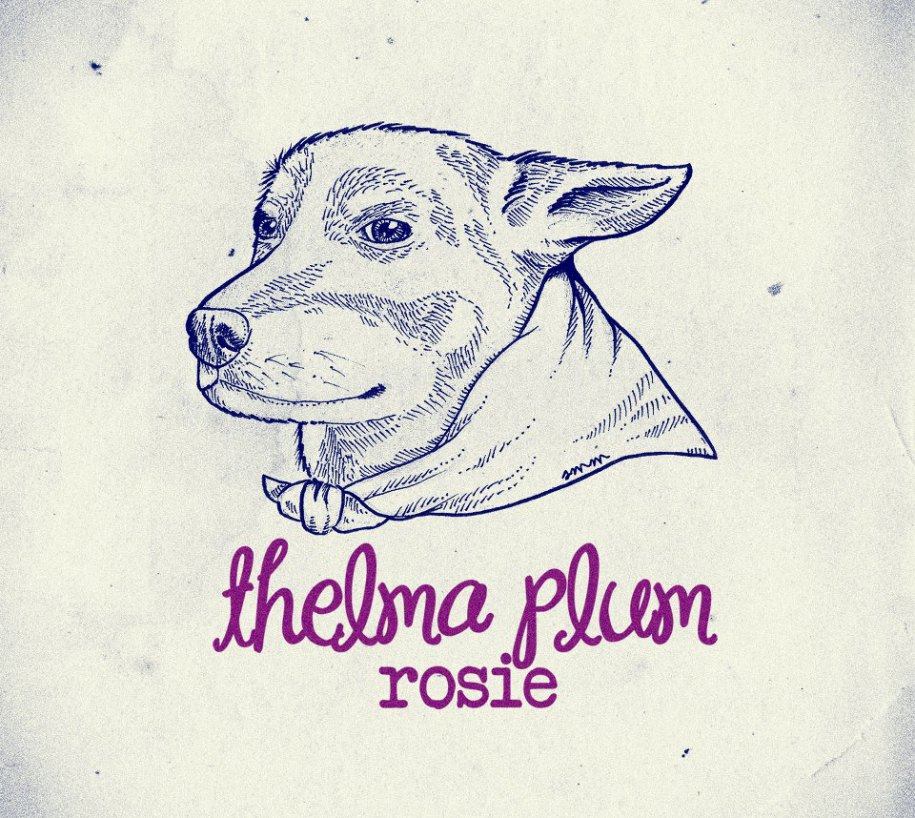
Eighteen year old Brisbane folkie Thelma Plum doesn’t mess around. Despite being a complete unknown twelve months ago, the Brisbane Music Industry College graduate has bagged a Triple J National Indigenous Award, scored $10,000 worth of recording time from the Deadly Awards, signed with Brisbane’s Footstomp Music (home of Busby Marou and King Cannons), and now launched her debut six-track EP – not a bad effort for a young woman barely old enough to buy a drink. Hype and promise may be one thing, but backing it up with good music is something entirely different, but luckily Plum does it with apparent ease on this excellent release. Warm vocal tones and charming folk melodies throughout can’t hide the fact that she is quite the ballsy folk singer; lyrics like “la-di-da-di-da-di-da-da… fuck you!” on the otherwise upbeat and sugary ‘Around Here’ reveal her abrasive side. The colourful language doesn’t stop there, with more weapons-grade cussing popping up on ‘Dollar’, complimenting the infectious hand-claps and gentle Aussie twang to Plum’s engaging voice. The beautiful piano ballad ‘Breathe In Breathe Out’ slows the pace right down and the title track gives the young singer a chance to flaunt her impressive vocal range. The only drawback with this EP is knowing that there is an eighteen year old singer out there with more talent and accomplishments than you will probably ever have, but that can’t be held against her. 2013 and beyond is looking good for Thelma Plum. (Footstomp)
Record review: The Strokes – Comedown Machine (2013, LP)
There are very few landmarks in music these days; sometimes it feels like every riff and rhyme has been done to death. Luckily long-time lo-fi indie darlings The Strokes still know how to make releasing an album feel like an event. Done and dusted in 39 minutes, Comedown Machine is the final recording in the band’s deal with long-time label RCA, which – coupled with recent internal conflict – has prompted plenty of speculation about the band’s future. Unlike 2011’s Angles, it was put together by all five band members in one studio at the same time, not via e-mail and express post. The album sees the quintet take a definite step away from the 1977 New York sound of earlier efforts and towards a more ’80s electronic pop kind of feel, as on catchy pop-noir opener ‘Tap Out’ and the mazy title track. That’s not to say they can’t still do indie guitar rock better than most others. Second track ‘All The Time’ sounds like all the best parts of 2003’s Room on Fire fused together in one song, and 50/50 spews snotty punk attitude by the bucket load. Later track ‘Chances’ has Julian Casablancas indulging in some questionable falsetto vocals, but that aside, this is a fine collection of songs. Whether there will be another Strokes album remains to be seen, but one thing is for sure: if Comedown Machine is the final nail in the coffin of the band’s distinguished career, they are going out on a triumphant, all-conquering high. (RCA/Rough Trade)
Record review: The Chemist – Ballet in the Badlands (2013, LP)
The Chemist frontman Ben Witt once described his band’s music as being like a yo-yo: starting at one place and dropping down to another before returning back home. While genres are bounced around like a child’s toy on this excellent debut album, the Western Australian quartet’s tunes are underpinned by quality song-writing and dark lyrical themes throughout. Perth has been a veritable fountain of top drawer indie-rock talent in the last couple of years, and The Chemist are no exception; Ballet in the Badlands incorporates blues-y grooves, introspective pop, and melancholy folk in a slick collection of songs that reveals a little more with each listen. “The dress I hope she’s in is a shade of liquorice black, but if she sees through my charms her sister’s gonna take me back,” is a perfect example of Witt’s sharp lyrics on excellent opener ‘Heaven’s Got A Dress Code’. At no point do the band’s songs get repetitive; single ‘Silver and Gold’ is a catchy mix of creeping basslines, wailing guitars, and Gothic background vocals, ‘Sad Eyes’ is a soaring ballad, ‘Long Road Back’ is a short blast of dirty blues, and closer ‘Sparrow’s Shadow’ is a surprisingly jaunty pop number. There’s depth in these songs not present in many other band’s work, and perhaps working out where their eclectic tunes fit into an increasingly commercial music industry could be The Chemist’s biggest problem, but if they keep producing work of this calibre they will continue to draw people to their top-drawer indie-rock. (Dirt Diamonds)