Record review: The War On Drugs – Lost In The Dream (2014, LP)

the war on drugs lost in the dream

The War On Drugs’ Adam Granduciel doesn’t get anywhere near the amount of recognition he deserves. The Philadelphia native’s visionary songwriting over the course of his band’s three albums is the perfect example of a musician single-mindedly ploughing his own furrow, with the finished product benefiting as a consequence.

2011’s Slave Ambient was a momentous and enthralling release which spawned over two years of touring for Granduciel and his three bandmates; out of which sprung this follow-up. Like Slave Ambient, the indie-rockers’ third album repeatedly slip in and out of focus, while maintaining the yearning for forward momentum present in all of his work, as on nine-minute opener ‘Under The Pressure’. Six minutes of unashamedly expansive guitar rock evoke images of the open road in the vein of Bob Seger or Jackson Browne, before over three minutes of shimmering, hazy instrumental psychedelia leaves the road altogether and drifts along in the breeze; making the clearest reference to the album title thus far.

Given the album took two years to record, the pace inevitably shifts; as on melancholy piano ballad ‘Suffering’, while – like a dream sequence in a sci-fi film – chilling instrumental track ‘The Haunting Idle’ divides the layers of hazy textures spread over the road-weary ‘Eyes To The Wind’ and the point at which the muscular momentum is picked up again on the excellent ‘Burning’. You get the feeling that Granduciel could probably bust out a solo with the best of them, but he’s too clever to let something as showy as that detract from the mood and rolling rhythms that make this such an absorbing release from beginning to end. (Secretly Canadian)

Joss Stone: “I’d like to investigate music that was born in Australia”

Joss Stone

SHE MAY HAVE worked with Mick Jagger, Ringo Starr and Jeff Beck, but Joss Stone will be on the hunt for new Australian talent when she tours here next month.

“I’m trying to find people to collaborate with when I’m there,” she says. “I’d like to investigate music that was born in Australia. It’s nice to be exposed to other things; things that aren’t influenced by America or the UK. Maybe I’ll have a little sneak around Byron Bay and see what’s about. I really enjoyed Byron last time; it was more earthy, which I liked. We were only in Australia for a week, but that was my favourite spot. I’m definitely excited to be going back there; hopefully we’ll get more time.”

The 26 year-old English soul singer and her ten-piece band will be part of a mammoth Bluesfest line-up, as well as doing a run of shows with multiple Grammy Award-winner India.Arie.

“Expect a very good band playing what is hopefully very good music,” she says. “I love my musicians; I hold them in very high esteem. I’ve been working with them for a very long time and I just love playing with them. We have a really nice time on-stage; we just ‘soul out’ a bit and try to play a bit of music from each album. So far I have six [albums], and we like to play the songs people know as well as a few new ones. The double bill [with Arie] was just one of those things. Obviously, the second they asked me I was like ‘yes please’; I love her. When I was about 14 or 15 the song ‘Video’ came out and I got her album, and I would play the songs with the tape or CD in reverse, so I could try to learn the way she sang and her little ad-libs. I could never do it; I’m terrible with ad-libs as I’m not really that type of singer, but I would listen to her over and over. I think some days she’ll start the set and I’ll finish it and vice versa, and hopefully if we feel the vibe we’ll sing together, if I’m lucky. I know her songs, but I don’t know if she knows mine!”

Stone’s last release, 2012’s The Soul Sessions Vol. 2, was a collection of 11 soul covers, but her upcoming – as yet untitled – record promises to be more eclectic.

“It’s a little bit different this time,” she says. “A little bit more hip-hop and reggae. There are a couple of tracks on there which are just classic soul, but it’s so hard to talk about right now as we haven’t even finished the percussion yet, so I don’t know what it’s going to turn out like. In all honesty, I could turn round and go ‘oh I fucking hate this, let’s just cut it again’. I’m trying to keep that safety, you know what I mean? New influences come in naturally when I’m beginning writing, then I latch on to whatever that newness is and make that choice to continue in this path; it’s a conscious decision from that point. I’ve got thirty songs, but I’m going to see. I’ve just done two weeks in the studio, and I’ll have to listen back and see which ones I like. Normally an album doesn’t go longer than fourteen to seventeen tracks. I never really like to play a full show where I just play new songs to a group of people who haven’t got the album. Putting in new songs can be cool, but until everybody gets the album, it can be a bit of a bummer to go to a show when you don’t know any of the songs. When the record is out I’ll play them all, but when the Australian tour comes around I’ll just play a couple. I’ll rehearse my band; by now they know all the songs, but we’ll rehearse and learn a couple of the new ones, so when we get to the stage I can kind of call it, you know? I know what’s going to happen in general, but I don’t know what the audience is going to be like until I meet them. In fact, they are the eleventh member of my band. That’s the fun of it.”

Stone was a part of short-lived supergroup SuperHeavy in 2011 with Jagger, Dave Stewart, A.R. Rahman and Damian Marley, and has performed with big-hitters like James Brown, Rod Stewart and Melissa Etheridge, but one musician inspired her more than the rest.

“Jeff Beck; I’m in awe of him and the way he plays,” she says. “When he’s talking to you he’s just a normal guy, but when he plays it’s entirely different; it’s like ‘wow’. If we’re playing on the same day [at Bluesfest] we might even do a little song together. He’s amazing.”

JOSS STONE PLAYS BLUESFEST APRIL 18 AND THE TIVOLI WITH INDIA.ARIE APRIL 20.

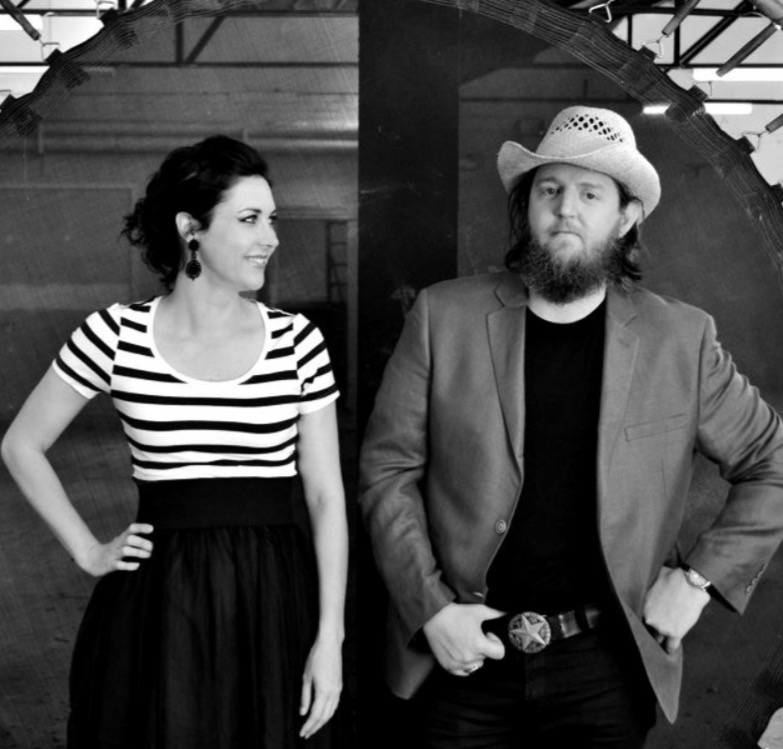
Taasha Coates of The Audreys: “It’s a really strong friendship and creative relationship”

audreys

ADELAIDE folk and roots duo The Audreys may be triple ARIA Award-winners, but it’s mostly producer Shane O’Mara’s fault, explains refreshingly down-to-earth singer, songwriter and multi-instrumentalist Taasha Coates.

“I reckon we’d still be a shitty folk band playing in the local pubs if it wasn’t for Shane,” she says. “He heard something in our music that we hadn’t heard ourselves, and pushed it in a direction that’s made it a better beast than when we started out. We just really like each other and push each other in the right way. Early on I had a tendency to be too precise and be really anxious about minute details and mistakes and he was always [saying] ‘no, get over it.’ He taught me that it’s about the performance and not about being perfect. We’ve made four records with him now, and it’s a really strong friendship and creative relationship.”

The band’s new studio album ‘Til My Tears Roll Away follows 2010’s Sometimes The Stars, and is set to propel Coates and guitarist/banjoist Tristan Goodall back into the spotlight.

“I think it’s a rockier album,” Coates says. “The label picked ‘My Darlin’ Girl’ as the new single. It’s great if you have a good relationship with your label and you trust them; that’s the kind of decision they are much better at making than you are. We gave them the record and basically told them to do whatever they wanted. You can be much too close to your own music, and the few times we’ve tried to write something for radio it’s been shit; radio is a fickle beast. When I first started making records I was conscious of making music to play live, but Shane always told us not to think about it. Now we try to make the best record we can and then worry about playing the songs liven once they’re recorded. I think it’s hard to listen back to yourself, but I absolutely loved every moment of making the last record; it’s something I’ve grown to love. We did most of it in five days; all the tracking was done live, then we re-recorded most of the vocals at Shane’s studio back in Melbourne and brought in guest players and singers and did all the mixing as well. We had a doo-wop group sing on one of the tracks, and lots of mates of Shane’s and local musos; there’s a sing-along song at the end that has something like 24 singers on it or something. It was great fun.”

A new album of course means touring, albeit with an extra person on the tour bus this time around.

“I’ve had a baby since the last album,” Coates says. “When I got pregnant I was really nice to myself and gave myself the time to enjoy motherhood, but then started to miss music after a while. It’s actually quite a good career to fit in with a child as you can fit it around everything, unless you’re away touring. When you’re playing, it’s at night when they’re asleep, or they can come along. We’re doing a tour soon; a national tour all around the country. We’ve been playing the new songs as a duo for about six months now and it’s been good fun. We can’t wait to get on the road with the band.”

THE AUDREYS TOUR NATIONALLY IN MAY/JUNE. ‘TIL MY TEARS ROLL AWAY (UNIVERSAL/ABC MUSIC) IS OUT MARCH 14.

Tord Øverland-Knudsen of The Wombats: “At our first practice we all had massive hangovers”

The Wombats

NEW year’s eve for Wombats bassist Tord Øverland-Knudsen normally means snow and family times in his native Norway.

The band’s upcoming appearance at Falls Festival will change all that.

“On a personal level it’s going to be strange,” he said. “I’ve never been away from Norway for New Year’s Eve; I’ve always been back with my family. I’m always home for a white Christmas and a really cold winter, so it’s going to be really weird to not have snow around I think. We’re really looking forward to the shows – Australia is our favourite part of the world to play in, and playing a big gig on New Year’s Eve is going to be pretty special. We’ve done a few pretty hot shows in America and Dubai and different places, so hopefully we can cope.”

The Liverpool-based trio have kept themselves relatively out of the spotlight in recent months, with work on a new album already under way.

“We’ve been in Liverpool working on new songs,” Øverland-Knudsen said. “We’ve been making the demos and trying to finish the third album. We’ve been to LA to record one song properly, and we’ve done a few gigs here and there in between. We went to Brazil, which was a nice experience; we did some headline shows in fairly small venues in both São Paulo and Rio. It was the first time we’ve been there and it was amazing; the gigs were packed and people knew our songs, which was kind of crazy. Hopefully we’ll finish the writing this year and record half of it before Christmas, and the other half in January, with the idea of a release around March or April, but you never know with these things. It depends on when producers are available and stuff like that as well.”

It has been a long road from when the band first got together in 2003 for them to arrive at the synth-led sound they are now known for.

“We met in university,” Øverland-Knudsen said. “At our first practice we all had massive hangovers, and in the beginning we were just really crap, but I’d like to think we’re not crap any more. Murph’s song-writing is still recognisable in the early stuff, but it was more like Pixies or Weezer; except more garage-y and immature, and his voice was softer and more high-pitched in the early days. After we released our first album we didn’t stop touring for about two and a half years, and we only wrote one song in that space of time. I think we almost forgot how to write a song, and I think you have to keep doing it for a while before you can make anything good. We had to get refreshed, take a month without doing anything with The Wombats, then get down to writing again.”

We wanted to do something different, and there was only so much we could do as a three-piece, and that’s when we brought the synths in. We had a couple of synths in a practice room and brought a couple more in because we didn’t know much about them before we started experimenting with them. After we wrote more and more songs, they became an integral part of most other songs, and it’s really great that we got to learn how to handle them. We’ll still be using them on the third record. I think that as soon as you experiment with something it’s really hard to go back – especially in the studio. I really love experimenting and using technology, but maybe at some point we’ll get really bored of that and just do a guitar album again, just the three of us.”

The band’s upcoming appearances at Falls, a New Year’s Day set at Field Day, and a gig at Southbound Festival on January 4th will allow Australian fans to sample new material.

“We’re really looking forward to coming back and doing some big gigs,” Øverland-Knudsen says. “We haven’t done that many shows recently, and it’s really exciting to be able to play some of the new songs. It’s going to be nerve-wracking as well; it always is with new songs, but it will be great to play them live in a place that we know appreciates our live shows. We’re really looking forward to it.”

THE WOMBATS PLAY FALLS FESTIVAL AT BYRON BAY JAN 2.

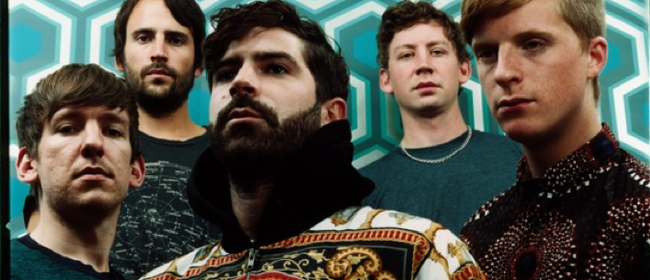
Live review: Foals + Alpine – The Tivoli, Brisbane – 2/10/13

It’s a school night and one of Brisbane’s biggest and best venues is sold out – this is something very few bands have been able to achieve in recent months. Such is the diverse appeal of English indie-rockers Foals that it’s obvious this is one of those gigs that attracts people who don’t often go to gigs. Hipsters too; lots and lots of hipsters.

Support for tonight is Melbourne indie-poppers Alpine. Having just jetted back into the country from North America after playing a number of shows there, they admit to being exhausted, but put in an energetic and typically tour-tight performance, heavy with songs from their excellent album A Is For Alpine. Singers Lou and Phoebe are charming and enchanting as ever, and they finish with ‘Gasoline’ to a huge show of appreciation from the audience. With more tour dates in Canada the States on the cards in the next few days, life is only going to get more busy for the six-piece, but they’re looking and sounding mean and lean.

Foals’ stage setup is pretty impressive. A small army of dudes spends quite an amount of time setting up a lighting and sound rig that could fry the retinas and burst the eardrums of an audience several times the size of this one, but it’s all part of their live appeal. By the time the quintet take to the stage amid a haze of pink and blue lights and kick into ‘Prelude’ and then ‘Total Life Forever’ to huge reverberating cheers, the Tivoli is as rammed as I’ve ever seen it, and the phrase “losing their shit” could be applied to the audience collectively.

Holy Fire hasn’t been around that long, so there are plenty of tunes from that album on show, including ‘My Number’, ‘Providence’, and ‘Late Night’. Frontman Yannis Philippakis’s crowd-surfing-from-the-balcony-thing may feel a bit contrived (come on, we all knew he wasn’t gonna not do it), but again, the audience responds by almost to a man losing their shit. You’d definitely feel a little hard done by if you had suffered an “immediate eviction”, as the sign says, if you’d been caught crowd-surfing at any point before this event, but I guess you can’t evict the main man.

With an encore including ‘Inhaler’, many people have gone home after this gig claiming that this has been the best live show they’ve ever been to; such is the effect of this band’s music.

Interview: Gary Jarman of The Cribs

gary jarman

Having recently celebrated ten years in the business of making top-notch punk-tinged indie-rock and with a new record full of songs spanning the band’s career, Gary Jarman, the refreshingly down to earth bassist for The Cribs, is looking forward to coming to these shores for a run of shows next month.

What can fans expect from a Cribs show in 2013?

Usually when I’m asked this question it’s a pretty tough one to answer, because we’ve always hoped that, idealistically, it’ll be somewhat unpredictable like it always used to be when we first started out. We always thrive off the idea that we never really plan stuff too much, and we’re never a particularly slick prospect, as that was the thing that used to drive us and keep things interesting. With these tenth anniversary shows we’re trying to mix in a bunch of the older stuff for people who didn’t see it the first time round, as we never toured the first album in Australia. The shows will be smaller, and I think that’s the right way to do it, and will hopefully be the best representation of where the group is coming from and from where we first started out.

If someone told you ten years ago that you’d be touring Australia for your tenth anniversary, how would you have reacted?

It would have been a real thrill, you know? But that never goes away; we’re still the same band that we were when we started out. We still have the same motivation and we have the same feelings about things. I think that comes with being in a band with your brothers; we’re still kind of amazed to be able to travel that far away from where you’re from and have people be interested in it. We never lost that sense of disbelief that a project you started with your kid brothers will be something that people will not only care about, but care about for a decade, and then to travel pretty much as far away from Wakefield – where we’re from – as possible, and have people come and be excited to see you play. That’s something we’ve never taken for granted, and being in a band with your brothers has been key to that. If I’d been in a band with other people I might have become jaded over the years, although it’s never been plain sailing for us – far from it. But the fact it’s a family thing makes us such a close and tight unit, and it makes us so honoured that it’s resonated in some way with people, no matter what level.

Some bands with several family members end up hating each other over time, but it obviously works well for The Cribs?

I think so, because the key thing is that we trust each other, and we grew up with the same stuff, and when we formed the band it was out of necessity as my brothers were the only people who had the same tastes as me, because we grew up with the same music. So it was basically a really convenient and ideal scenario for us. Over the years, we’ve managed to retain that, even though we all live in different places thousands of miles apart, and that’s been really good for us as we can all bring different things to the table from our different experiences. Rather than being alienated, it helps us.

Obviously Johnny Marr is no longer in the band, so what challenges does that bring when playing live?

Well, as far as live goes, we never expected to be a four-piece when we started the band, and we never expected there to be a fourth person there, as we didn’t have a fourth brother! Johnny coming along was like a really surreal and exciting thing for us, so we had to adapt to being a four-piece rather than re-adapting to being a three-piece, so it was really natural to go back to being a three-piece. But we do have another person playing guitar with us, who is like a live member, so we can add extra things to records and still pull them off live.

What do you miss most about having Johnny in the band, besides his guitar playing?

The camaraderie. While it lasted, it was a good way of dissipating the intensity in the family dynamic. Everything becomes really extreme in that sense; when the shows are good they’re really good, but when they’re a bit off they can be destructive. So having another person there makes it easier to reduce that intensity. There’s a different dynamic with your brothers or with your family than what you’ll have with anybody else, and you can often forget that unless there’s someone else in the room. It’s easy to forget how full-on it can be and how differently you speak to people you’ve grown up with. It was nice to have someone, not necessarily to mediate, but to see things a bit more rationally, instead of the emotionally-charged way we would always do things.

You won the Outstanding Achievement Award from the NME, and just released what’s essentially a Best-Of album. How do you feel about reaching milestones like these when you’re still so young?

Winning the award was such an amazing thing for us. When you can step away from things and look at them from a distance, it’s really a crazy kind of scenario. To get a lifetime achievement award like that, and to have a greatest hits record – if you started a band aiming for things like that, it’d be an egotistical and cut-throat thing. We never set our sights on that sort of stuff; we came from more of a punk-rock background, but it’s nice to be able to sit back and look at all the ups and downs of the last ten years and lay them all to rest and move on, in some ways. We’ve been playing a lot of these songs for ten years now, and that’s a kind of insane proposition, so this is a nice way to wrap it all up and move on to the next chapter I guess.

You’re known for having a DIY and independent approach to things. Is that something that will change as the band gets older?

If anything, it’s got a lot more pronounced. Initially, it wasn’t something strange to us, as we had no choice. But when the band started doing well, we didn’t feel the need to deviate from that, and we enjoyed doing a lot of things that way, and we took satisfaction from it. For example, we used to love playing on the main stage at the Reading Festival, and we’d be the only band who had a van; there was something perverse and appealing about that. But, from a different point of view, we’ve never been signed to a major label in the UK, so there was never a great deal of money flying around. We’re actually a really efficient band, you know? We do things on a level that avoids all that rock-star shit, and even when we’ve had top-ten records it’s been business as usual, and that’s possibly why we’re still here after ten years. We get a lot of satisfaction from adversity; we’ve always been so independent and nothing’s changed. Nobody makes money from record sales any more, and it doesn’t bother us at all; we’re used to existing on a shoestring anyway. We’ve never been dependent on anything and although it sounds like a bit of a cute statement, the only people I’ve ever depended on is my two brothers. If we get offered a show and we want to do it, we find a way to make it happen one way or another. It’s an idealism thing. I hate the idea of being dependent on things that other bands depend on to make things happen.

What are you most looking forward to about coming to Australia?

We had such an awesome time last time. We came out there in January, and it was one of the most fun tours we’ve ever had, so it’s not that I’m looking forward to one single thing, just the knowledge that we had such a really awesome time last time is enough to be really exciting for us.

THE CRIBS TOUR AUSTRALIA STARTING OCT 23 IN NEWCASTLE

Record review: The Clash – Hits Back (2013, Boxset)

The Clash

In a recent interview with the UK’s Uncut magazine, The Clash guitarist Mick Jones said “Being in The Clash was a defining moment in our lives, and I’d be lying if I said I’d gotten over it.” At first these would appear to be heavy words from a guy who was unceremoniously given the boot seven years into the career of a band he co-founded in 1976 with Joe Strummer and Paul Simonon, but it reveals a little about how this new collection of The Clash tracks came about. After Strummer’s untimely death just before Christmas 2002 at the premature age of 50, all hopes of the Holy Grail of band reformations vanished, and it’s left to events like the release of this new box-set to quench the thirst for new The Clash material for their legions of fans the world over. The fact that the three surviving members – including recently rehabilitated drummer Topper Headon – got together to curate the release (and are apparently still good friends) also adds a touch of intrigue.

Fully remastered from the original tapes, this 2 CD or 3 LP 32-track box-set will probably be the last release by the band – at least officially – and that alone makes it something of an interesting record. “It seemed important to me that what we did should be preserved,” said Jones, on the subject of carrying the band name forward. One thing of which there can be no doubt is the fact that this music is top, top stuff – among some of the best ever recorded. Cute band reunions are all well and good, but do we really need another greatest hits by The Clash, no matter how nicely packaged and sufficiently endorsed by ex-members? The answer is probably no, although die-hards will buy it all the same; that’s how much the band mean to so many people. The Clash were something that is these days a rapidly vanishing part of musical culture; they were an outstanding albums band, while still being hot shit in the live arena, and they had a finger on the social pulse of personal politics. The conception, progression, and ultimate decimation of their career is played out throughout their six studio albums, and with a couple of excellent post-mortem live records available for public consumption, there is nothing much more you’ll need to hear from the West London originals. In saying that, if there has to be such things as greatest hits albums, this shines high and mighty above any of the dross you’ll find in the 3 for $20 bin down at JB’s.

Clearly someone, or probably a team of people, was in charge of sequencing, but the running order isn’t chronological as perhaps it should be, or even particularly ordered by the many genres the band covered throughout their short but explosive career. But then, The Clash’s albums were often such a versatile mix that maybe it’s appropriate. There’s straight-up punk in ‘White Riot’, rockabilly in ‘Brand New Cadillac’, Caribbean rhythms in ‘Bankrobber’ and ‘Ghetto Defendant’, rock in the likes of ‘Clampdown’ and ‘Complete Control’, and a hundred other elements throughout. Maybe it actually takes a collection like this to truly understand the range of this outstanding band.

I’ve listened to the original album versions, subsequent greatest hits packages, and then the new release, and can’t hear any real difference in the quality of sound, so don’t be expecting some mind-blowing new form of clarity here. The music sounds fantastic, but then so did the original albums. To anyone thinking about getting into The Clash, I would urge them to try the original albums first; start right at the beginning and then head for London Calling and Sandinista!, followed by the live album From Here To Eternity. But to everyone else, I’d say why not go for it? They were only one of the best bands to ever play a note; what could possibly go wrong?

Live review: BIGSOUND Live 2013 – Brisbane – Paul McBride

Mining Boom

Mining Boom

Trying to remember everything that happened at BIGSOUND Live 2013 is like trying to pee with an extreme case of stage-fright; you just gotta persevere until you get it all out. When the moment of sweet, glorious relief comes, a million sweat-drenched, beer-stained memories pour out at a rate quicker than Bakery Lane filled up in the minutes before Billy Bragg hit the stage. Here are at least some of mine, mostly unsullied by the passage of time.

Forget all the industry shenanigans, the free tote bags covered in corporate logos, the lanyard-wearing, glassy-eyed matronly types who look like they haven’t been to a gig since Led Zep were last in town, the live section of BIGSOUND is – and always will be – about the bands, and there is no shortage of fine examples to sink our teeth into this time around.

Looking at the program for Wednesday evening, one name leaps out immediately: The Delta Riggs. Having seen them four or five times before, I’m keen to maybe give them a miss this time and check out someone new; perhaps Patrick James or Mama Kin – that being the whole point of BIGSOUND Live. But after procuring my blue wristband shortly before 8pm I am drawn by some invisible force towards The Zoo, where subconsciously I know there will be a rock ‘n’ roll show that probably won’t be beaten, and before I know it, I’m watching the five lithe blues-rockers knock out a suitably raucous start to proceedings. One of the great things about each band’s set being only thirty minutes is that no time is wasted cutting to the chase, and The ‘Riggs do so with ‘Stars’ and ‘America’; the first two tracks off their latest album. Frontman Elliott Hammond is all hips and wrists as usual, and as ‘Rah Rah Radio’ is fired off into a rapidly filling venue, we all know we’re in for a good night.

The walk to Electric Playground takes about two minutes, or about the same length as one of Sydney punk-poppers Bloods‘ songs. The trio of MC, Sweetie, and Dirk are all smiles and clearly enjoying themselves as they play songs from their new EP, Golden Fang, and even manage to fit a new song in, because “we’re such professionals we’re going to play a new song in front of a bunch of industry people.” There’s something pretty special about their brand of garage-punk-pop and their vibe is infectious; a clear line runs from the earliest days of Brat-pop in the fifties, to classic punk bands like The Ramones, and through to the best of nineties girl alt-rock bands. Despite some ear-melting feedback, ‘Bodies’ and ‘No Fun’ are catchy early numbers, and the slower, more melodic ‘Back To You’ rounds things out nicely. In truth, we all could stay in Electric Playground all night and have an absolute blinder, with Dune Rats, King Gizzard & The Lizard Wizard, Bleeding Knees Club, and Regurgitator putting in appearances, but alas, my fate lies elsewhere.

Next comes possibly the most diabolical timetable clash of the whole deal, as Billy Bragg, Mining Boom, and Yukon Blonde all play at the same time (I’m not concerned with Cub Sandwich, or whatever they’re called now). As I stand in the static queue to see Billy Bragg and am told by a staff member that Bakery Lane is at capacity, I recall the words of Bragg himself from his earlier keynote. “If you want change, it’s your responsibility, not mine,” and “Singer-songwriters can’t change the world. The only people who can is the audience.” With this, I immediately decide to leave the queue and go see relative newbies Mining Boom at Ric’s, and am almost instantly glad I did.

One of the first of several top performances by Perth bands this year, their set is a ragged, charming, and eccentric mix of self-conscious indie-rock stoner beauty and unassuming pop melodies. Opener ‘Craigie’ may be the best song played by any band anywhere tonight, or anywhere this year. With lines like “One day I will bash that cunt, and it won’t be pretty and it won’t be fun, but one day I will bash that cunt,” it’s a song that will stay with you a long time, and ‘Telecom’ is a wonderfully scratchy ode to the “fifty buck cap and unlimited texts”. If you weren’t one of the thirty or forty or so people here tonight, I’m tellin’ ya – you missed out. Sorry about that.

Back at The Zoo, Stonefield are getting ready to be the loudest band here tonight, and they proceed to be just that. The four sisters from Victoria step onto the stage in front of a large and sweaty audience and with singing drummer Amy Findlay taking the front-woman role for the initial part of the set, the band kick into crushing opener ‘Blackwater Rising’ and all of a sudden I want to drink harder, rock harder, and break out my The Doors and Jimi Hendrix records. New single ‘Put Your Curse On Me’ rocks in a similar fashion to their earlier tracks, and just when you think Amy’s voice can’t possibly take any more, she cranks up the action several notches more for a colossal finish.

Stonefield

Stonefield

The fight to get into Electric Playground to see King Gizzard & The Lizard Wizard isn’t one I’m ever going to win, so it’s back to Ric’s I go for a dose of dark indie-rock courtesy of Bad//Dreems. I’m going to say it here and now – these guys were the highlight of the first night of BIGSOUND. Yeah, they look like a bunch of bogans who just finished a shift carrying bricks at a building site, but they’ve got the tunes and an us-against-the-world attitude that, when combined with the sticky, almost unbreathable air and electrical-cables-lying-in-puddles-of-beer aesthetic of the front bar, it makes for quite the show. At times they might seem to opt for sheer brutality of sound from their traditional two guitars, bass, and drums set-up, but on songs like ‘Chills’ they show they can really play, and the barrage of noise that blasts the audience’s ears during closer ‘Caroline’ comes as one of those moments in which you wouldn’t trade places with anyone in the world.

Money For Rope are a Melbourne band whose surf-rock and dual-drummer sound is perfect for a venue like The Zoo, and in front of a large crowd they put in a hair-twirlingly energetic set. Mostly featuring songs from their excellent debut album, like second track ‘Easy Way Out’, their tunes take from the best of the classic rock bands like The Who and The ‘Stones, and chuck in liberal doses of flailing limbs and sweat.

Thursday night’s gig-going starts off at The Zoo once again, with Canberra’s Fun Machine. Covered in enough glitter to partially blind the growing audience, the band confidently flow through their first show in Brisbane like a pop-punk version of Scissor Sisters in hotpants. It’s a good warm-up for their upcoming shows to launch new single ‘Naked Body’.

It somehow seems strange that it’s taken until now for me to darken the door of Oh Hello! and the Triple J Unearthed stage, but Brisbane’s own pop up-and-comers Major Leagues provide enough of a draw to pull me in. Sometimes when I see them play, I want to turn the vocal volume up a couple of levels, but ultimately their understated approach is part of their appeal. Single ‘Endless Drain’ is a high point, as are the guitar lines on ‘Teen Mums’ as the packed venue heaves and sweats in unison with the band’s sweet melodies.

Over at Ric’s Sydney’s Born Lion are embarking on some sort of jazz odyssey and spewing out words that sound suspiciously like Percy Sledge’s ‘When A Man Loves A Woman’. “When a man loves a woman, he just wants to fuck her,” apparently, although this approach quickly gives way to an indecipherable wall of scream-y, squally, no-frills punk-in-tight-pants noise and head-banging that has the small venue packed to the gills once more.

By this stage Oh Hello! is rammed for The Love Junkies, and it soon becomes clear why, as the Perth trio put in the performance of night two. Relentless and raucous from start to finish, the retro rockers fill a set with bluesy grunge and rock riffs and plenty of energy from the off, and as early as second track ‘Black Sheep’ it feels like a fire has been lit under the arse of BIGSOUND and something is about to explode or go deaf, or both, despite a broken string on lead man Mitch McDonald’s guitar which flails like a windsock in a gale for the rest of the set. “My guitar is being temperamental, but we’ll all laugh about it after,” says McDonald, before unleashing another maelstrom of noise. Many a set of ears will be hurting for days because of these guys.

Back at Ric’s Bed Wettin’ Bad Boys – clearly a touch uneasy at playing at an industry event – are being heckled by their audience to produce business cards to share around. “We’re selling analogue business cards. They come in the form of T-shirts and cost fifteen dollars,” they announce, while New South Wales six-piece The Walking Who are making good use of the awkward layout of The Press Club by compacting all their members onto the tiny stage with little room to spare. Their bluesy psychedelic rock might be better suited to a venue like Ric’s or The Zoo, but their kaleidoscopic jams are strong enough to carry them through, with second track ‘Have You Seen The Colours?’ being a particular highlight, before a long, smooth, fuzzed-out jam sees them finish up. Over at a throbbing Bakery Lane The Jungle Giants have the audience bouncing with songs from their new LP, and once again I’m most impressed by the classy guitar moves of Cesira Aitken, as well as her fondness for pulling goofy facial expressions when wringing out the notes.

It’s at this stage that my evening goes temporarily awry as, after my mate and I buy a beer back at Ric’s I am accosted by a menacing big skin-headed bastard claiming to be a plain-clothes policeman and threatening to do all kinds of damage to my extremities if I don’t show him what’s in my jeans pockets. Refusing to do so unless he produces his police I.D. only gets him more fired up and in my face, and while I’m pinned to the bar and trying to casually sip my beer and appear nonchalant while inwardly shitting bricks and expecting a glassing or head-butt at any second, security guards step in after what seems like an age of illogical arguing and psychological to-ing and fro-ing. The bonehead so-called Constable has one arm in a sling which quickly pops out and appears to be fine (Ted Bundy, anyone?) and is frantically protesting to the (calm and professional) Ric’s security guards about how I have (the plot thickens) now “stolen his police I.D.” We all go outside to sort it out, I empty my pockets to prove my innocence to the security guards and after he makes a lunge for my jeans pocket once more (which contains nothing more than my wallet and timetable), he is removed from the area and I go back inside to down my beer and be thankful for the fact my nose is still pointing in its usual direction.

After a suitably angry blast of hardcore punk from Melbourne lads Clowns helps to clear my head, it’s back to Oh Hello! for the grand finale, Kingswood; and what a finale it is. The Melbourne rockers follow the trend of cutting to the chase with opener ‘She’s My Baby’, and are uniformly pumped and energetic throughout, despite guitarist Alex Lasta being chair-bound due to an unspecified injury. By fifth track ‘Ohio’ the sense of BIGSOUND soon coming to an end has unleashed desperate last-ditch attempts at crowd-surfing, and as singer Fergus Linacre’s spirit bottle is passed around and downed by the hardcore at the front, the volume is cranked up to eleven. A sublime cover of ‘Jolene’ is only bettered by closer ‘Medusa’, and we all file out of Oh Hello! not yet ready to go home.

KINGSWOOD

KINGSWOOD

To sum up, what can I say? BIGSOUND – you’ve done it again. Personal highlights were Mining Boom, Bad//Dreems, and The Love Junkies, with honourable mentions for Bloods and Kingswood. In saying that, last year I picked The Preatures and King Cannons as the cream of the crop, and in the last couple of weeks, one of those bands has played arenas for the first time and the other broke up, so one of these bands is probably going to do really well, and another is fucked – good luck guys. I’m off to get my ear-drums sewn back together. Well played, everyone.

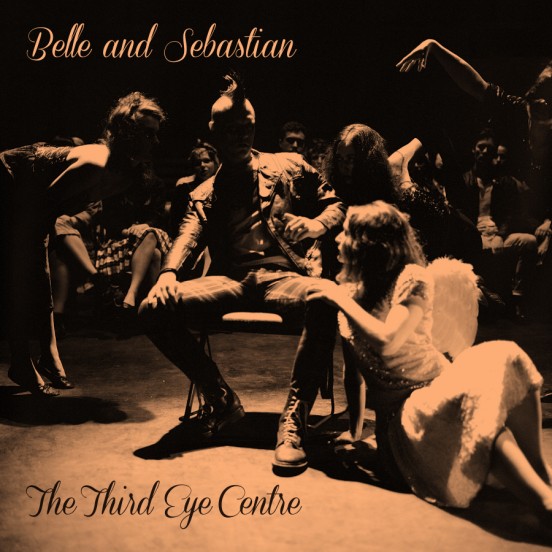
Record review: Belle & Sebastian – The Third Eye Centre (2013, LP)

belle and seb

Belle & Sebastian could never be accused of being attention seekers. Ever since their 1996 debut, they’ve flown distinctly under the radar in terms of self-promotion, but have somehow still managed to gain a fiercely devoted following of mostly pale and lonely Smiths fans. Newest effort The Third Eye Centre is less a bona fide album, more a collection of EP tracks and B-sides from the Glasgow band’s Rough Trade career, a sort of companion piece to 2005’s Push Barman To Open New Wounds, which featured a similar collection. Drawing songs from such a wide range of origins means this release has inevitable peaks and troughs, but unfortunately the troughs far outnumber the peaks. ‘I’m A Cuckoo’ is an aimless opener that takes too much from Jethro Tull’s baroque-rock nonsense. Second track ‘Suicide Girl’ is more cheerfully up-tempo, yet with miserable lyrics, while ‘Love On The March’ sounds like a twisted Brian Wilson B-side that didn’t make the cut. Dreary remixes by the likes of The Avalanches and Miaoux Miaoux come infused with the unmistakable whiff of filler, and will probably offend more than one of your senses. Under the pretentious façade of a few of the later tracks lurk the bones of some good songs; ‘Blue Eyes Of A Millionaire’ being a good example. Despite this, there comes a point early on when all their whimsy and effete dreaminess has never seemed so obsolete. (Rough Trade)

Flashback: Thin Lizzy – UK Tour ’75 (LP, 1975)

thin lzyy 75

Everyone knows Thin Lizzy. The music world is awash with their albums and there are enough bootlegs, greatest hits, extended versions, live albums, compilations, radio cuts, cover bands, and once there were even enough versions of the band itself out there to choke the airwaves for the rest of time. Of course, almost every music lover is familiar their ‘big’ rock albums Jailbreak, Johnny the Fox, Bad Reputation, and their touring masterpiece Live and Dangerous; all albums filled with rock radio staples we know and love. But to me, their finest and most interesting period was just before ‘Jailbreak’ and “The Boys Are Back In Town” sent them stratospheric, around the time of the Nightlife and Fighting albums.

Eric Bell had sensationally quit the band during at gig in Queens University in his hometown of Belfast by throwing his guitar up in the air mid-song and marching off stage in a state of epic drunkenness. Not wanting to get caught mid-concert with no guitarist ever again, band leader Phil Lynott decided to hire two of them as a safety net. Brian Robertson was in town trying out for the spot of drummer in another band, and Scott Gorham had flown over from California to audition for Supertramp (how things could have been so very different,) and both of them landed guitar spots in ‘Lizzy. Their first album together – Nightlife was a fairly patchy and poorly produced affair, but the follow up, 1975’s Fighting is a stone-cold classic, and laid all the foundations for their success with Jailbreak. Live and Dangerous was released in 1978 and has since been considered by many to be one of the best live albums of all time. How much of it was overdubbed in the studio has also been a topic of discussion ever since, although this small controversy doesn’t detract from its pure rock brilliance and rightful place as a classic album.

When, in 2008, it was announced there was to be a new Lizzy live album to be released, the reaction was lukewarm at best, due to there being more than a couple of disappointing Lizzy releases out there. However, what is to be found on “UK Tour ’75” is an absolute gem of a collection of Thin Lizzy songs, recorded at a period just before they hit the big time. It’s a snapshot of a band on their way up, not quite yet possessing the hard-boiled confidence they would later display, and way before things started to go awry for Lynott and his various addictions. What you will also find here is some of the best Lynott crowd banter, and a band trying out some new songs and part-songs that will later evolve into chart smashes. It’s bloody fascinating.

Recorded at Derby University in 1975, the show begins with Lynott speaking into the microphone. “One, two, testing,” he says, before telling the audience the gig will be recorded and asks them to “make a lotta noise, hear yourselves on the radio,” and the band launches into ‘Fighting’. What is immediately clear on this album is the quality of the sound. Many Lizzy releases – including the awful ‘Live/Life’ series – sound like they were recorded with two toilet rolls and a long piece of string, but the sound here is crisp, clear, beautiful, and moreover, the band are on great form.

Having been recorded in 1975, the album is years ahead of songs like ‘Jailbreak’, ‘Waiting For An Alibi’, and ‘Don’t Believe A Word’; instead it is filled with great songs that fell away from the Lizzy live roster after around 1976. “Wild One”, “It’s Only Money”, and my own personal favourite of all Lizzy songs, “For Those Who Love To Live” are given a fine run out, with the band sounding HEAVY. Later live staples are in there too, from Bob Seger’s ‘Rosalie’, and earlier Lizzy track ‘The Rocker’. Rosalie sounds particularly fantastic, and just shows that had “Live and Dangerous” not been overdubbed, it still probably would have sounded pretty damn good.

The finest thing about “UK Tour ’75”, though, is the wonderful opportunity to hear a band refining their sound and songs. Track thirteen on the album is labelled ‘Derby Blues’; a working title for a song that would eventually become Lizzy classic ‘Cowboy Song’. It’s simply fantastic to hear Lynott trying out lyrics and rhyming couplets, as he announces it as a “new number, this one, as yet untitled… we’ll call it Derby Blues”. The dual-guitar riff is there, the opening line of “I am just a cowboy, lonesome on the trail…”, and the rest basically consists of a bit of a jam and Lynott throwing in lyrics about being lost on the road and turning up in alien places. It’s a must-listen for any Lizzy fan, pure and simple.

And as if this embarrassment of riches wasn’t enough, there’s also a three-minute sound check jam tacked onto the end, which showcases the guitarists warming up their fingers in a groovy blast of improvisation, and a rather fetching booklet with a few dozen photos of the band in and around the time of recording. Again, the sound check jam is a thing of beauty and of such outstanding sound quality, especially for the time. UK Tour ’75 has now overtaken Live and Dangerous as my favourite live ‘Lizzy album, and maybe it will for you too.

Flashback: New York Dolls – New York Dolls (1973, LP)

new york dolls

The New York Dolls are a band that have, over time, come to be defined more by the drugs, debauchery, and deaths of various members than their actual music, although the original line-up has never been given enough credit for being good musicians, in my opinion. Much like The Sex Pistols and even The Ramones, they are always labelled as ‘influential’ in terms of style and attitude, without being given due respect for their musicianship and the songs they wrote and recorded.

Then again, the reputation they had as being hell raisers was well earned. It isn’t a widely-known fact that before they had even recorded their debut album, the band already had a member die in a drink and drugs-related incident. The young band were in London for the first time together – supporting Rod Stewart of all people – and during one particular house party, 21 year-old Colombian-American drummer Billy Murcia passed out, was placed in a bath of cold water, force-fed coffee by some well-meaning but misguided friends, and asphyxiated. Devastated, the band returned to the States and considered packing it in, before Jerry Nolan, several years older and soon-to-be drug buddy of Johnny Thunders, joined on the drum stool. Murcia was a pretty good drummer and an unfortunate loss; he can be heard on the surprisingly-good Lipstick Killers: The Mercer Street Sessions 1972 album, which showcases a young band, whilst raw and green, nevertheless already with a solid groove and plenty of that trademark venom.

My own introduction to the ‘Dolls came when I was probably seven or eight. By some fortunate oversight my mum had let me stay up late on a Friday night (she probably wanted me to be tired the next day for some reason) and the TV was on. I think it might have been BBC 2 that was showing re-runs of The Old Grey Whistle Test, and amidst the endless prog dirge that used to be on that show, there suddenly appeared what looked (to my young eyes) to be five extremely hairy aliens from outer space, making some kind of god-awful racket that was at once scary, bewitching, and damn exciting. I knew they were obviously boys/men, but seemed to be wearing girls/womens’ clothes. At one point singer David Johansen looked into the camera and spewed out the words “my bayyyybayyyyy” and I was scared to death and totally hooked at the same time. Years later I found this exact broadcast on Youtube (they were playing ‘Jet Boy’) and I had a minor flashback of the fear and exhilaration I felt all those years ago. It’s a pretty special band that can do that to you.

Arthur ‘Killer’ Kane, although the least animated of the ‘Dolls, was probably the most outrageous looking of them, as well as being an underrated bassist. Standing about fourteen feet tall in his high-heeled boots and with blonde hair down to his navel, he was an outlandish looking guy despite being a statue on stage. Johnny Thunders, my personal favourite of the Dolls members, was the ‘cool’ member of the group, and one who Sylvain Sylvain once admitted they let join so they could ‘meet more chicks’. His performance could range from fantastic to feckless depending on how he felt or what was in his bloodstream at that very moment. By many accounts he was also a despicable human being, and had more influence on music and modern culture than the rest of the Dolls put together, but that’s a whole other story. There are any books written about the man born John Anthony Genzale, Jr.

So much has been said of the ‘Dolls’ debut album over the years that it’s hard to separate fact from fiction, but one fact is indisputable: the songs still sound really good. Produced by Todd Rundgren, the album is full of tracks that the reformed band (the two-fifths of it that remains, should I say) still play, and still sound good today.

‘Personality Crisis’ is the perfect opener, and immediately has the ‘Dolls sounding like a sleazier, rawer version of the Stones (Johansen even looks like Mick Jagger to this day), while ‘Lonely Planet Boy’ is the ‘quiet’ track on the album, and was later recycled into ‘You Can’t Put Your Arms Around A Memory’ by Thunders on his So Alone album.

‘Frankenstein’ is the longest track at six minutes and brims with Johansen’s throaty screaming and wailing guitar lines before breaking down to an almost spoken-word finish. You can see where Johnny Rotten got his influences from on this track, that’s for sure. ‘Trash’ is one of the ‘Dolls’ most well-known songs, and for good reason. It’s three minutes of pure proto-punk heaven, and includes some surprisingly impressive guitar work by Sylvain Sylvain; who is also criminally-underrated as a musician. They do a calypso version of it on 2009’s Cause I Sez So, and while some music critics called it filler, it sounds fantastic and is well worth a listen.

‘Jet Boy’ is my favourite Dolls track, probably because it was my introduction to the band, as well as being a pretty catchy and gritty track. Sylvain Sylvain once said the ‘Dolls’ debut album contained all the riffs the band could play between them and nothing else, and while it sounds romantic, probably isn’t true. Johansen and Thunders could write a pretty catchy pop tune when they set their minds to it, and ‘Jet Boy’ is the finest of examples of that.

In the end, drugs, disagreement, dodgy business decisions and Malcolm McLaren would put an end to the Dolls as a musical force, but this remains a fantastic album and no amount of myth and legend can alter that fact.

Flashback: The Replacements – Tim (1985, LP)

replacements tim

There’s something magical about hearing a song for the first time, looking up the album it came from, and finding the other songs to be just as good, or better. But, have you ever loved a band on first listen, only to discover they split up years ago, leaving you wondering just how the hell you’ve never heard of them and lamenting the fact they’ll probably never record again? Let me tell you about how I discovered the Replacements.

A few years ago I spent a freezing January evening in a dingy bar with an old friend, downing beer and shots and discussing plans to better ourselves in all sorts of fantastical ways. After we parted I stumbled home through the cold night air, turned on the electric heater and slumped in front of the TV with a beer. By dumb luck the set was tuned to some long-forgotten channel showing a documentary about lesser-known college rock bands of an unspecified era. It was at that glorious moment, through my numbing alcohol fuzz, I heard a throaty voice singing the words “Sweet Georgia breezes, safe cool and warm…” I reached for a piece of paper and scrawled the name of the song: ‘Left of the Dial’.

It could be argued it was a very Replacements-esque way of discovering something: being a bit worse-for-wear, alone, and dreaming of better times. The band had taken self-sabotage and hard-living to ever-increasing heights since their 1979 formation, in between releasing albums containing a mixture of bonehead punk, sloppy adolescent thrash, and occasionally, heartfelt pop; all done in a way that would make you think they were the only band to ever truly understand loneliness and alienation.

By 1984, Minneapolis label Twin Tone could no longer contain them, and they signed to Seymour Stein’s Sire. With this in mind, the production quality on 1985 release Tim could be expected to be a step above previous recordings, when the opposite is true. Produced by former Ramone Tommy Erdelyi (allegedly through a set of headphones as he was near-deaf from his touring days), the sound is blunt and distant, especially Chris Mars’ drumming.

Nevertheless, Paul Westerberg’s song-writing and worldview make Tim great. ‘Left of the Dial’, ‘Hold My Life’, and ‘Bastards of Young’ are anthems for fringe-dwelling outsiders everywhere. ‘Kiss Me on the Bus’ – originally titled ‘Kiss Me on the Butt’ – is a brilliantly jangly, rockabilly-tinged, pop tune that you never want to end. Dumb rocker ‘Dose of Thunder’ is followed by quite possibly the only song ever recorded about being at the mercy of prima donna air hostesses: ‘Waitress in the Sky’. “Strutting up the aisle, big deal you get to fly, you ain’t nothin’ but a waitress in the sky,” is Westerberg at his most cutting.

‘Swinging Party’ and ‘Little Mascara’ tell more tales of wasted opportunity and loneliness, with Westerberg admitting “If bein’ wrong’s a crime, I’m serving forever, if bein’ strong’s your kind, then I need help here with this feather.” Such honest inadequacy probably wasn’t heard since ‘Teenage Kicks’. Closer ‘Here Comes a Regular’ is a melancholy ode to the pathetic booze hound; something Westerberg could see himself becoming, and what Stinson had been for some time, bringing about his sacking from the band before Tim’s release (he died of alcohol and drug related causes in 1995.) Gut-wrenching and arresting, it’s a fitting end to a fantastic album.

After Tim, the Replacements were never the same; seemingly floundering between punk ethics and Westerberg’s desire to crash the top-20. While they took several more years to fade away rather than burn out, Tim stands as testimony to the power of the Replacements, and tells the story of a time in the fakest of decades when four young punks from Minneapolis were the real deal. Grab a beer and give it a spin.

Flashback: King Cannons – The Brightest Light (2012, LP)

king%20cannon%201

This morning, via the band’s Facebook page, King Cannons singer Luke Yeoward confirmed what had been feared for some time: the Melbourne via New Zealand rock darlings have split up. His message reads:

“Unfortunately the news is true, gang… Thank you all from the bottom of my heart for the support over the years. So many great experiences, great people, and great laugh’s along the journey. Life changing stuff, really. Massive love and respect to each and every one of you. Honestly. Onwards and upwards – Luke Yeoward”

I wrote this review many months ago, but have never posted it on here until now. Here it is, in honour of the one of the best rock ‘n’ roll bands of recent years (and also the third best live show I’ve ever been to).

King Cannons are a hardworking band, and they want you to know it. They have fought poverty and hardship every day of their existence to be together. Their songs are full of cliché and nostalgia, being almost exclusively about being flat broke, escaping the oppressive factory dust, and the joys of finding solace in rock ‘n’ roll and the open road. They aren’t exactly original in style or substance, stealing from the slicked-back greaser ’50s style of American rock, to the angry punk-with-a-heart teachings of ’70s Joe Strummer, the anthemic bombast and big drums of ’80s Springsteen, with a sprinkling of the blue-collar working man‘s plight of ‘00s Gaslight Anthem. Okay, that’s the bad news out of the way.

The good news is that the hard-rocking New Zealand quintet are one of the most exciting new rock ‘n’ roll bands of the last couple of years, with an incendiary live show and now a debut record to match. They take what will already be familiar to many a music fan and apply their own steadfast conviction and earnestness to it, using their influences as a driving force rather than allowing them to be a disadvantage. They want you to know that it’s okay to dream and it’s okay to want something better, and their own back story told through their songs will just about inspire you to do anything you want.

Singer and sole songwriter of King Cannons, Luke Yeoward, lived the working man’s lifestyle until only a few months ago. A mill worker or furniture removalist by day, he wrote songs in his spare time and played Auckland’s dive bars by night. After the band released their first self-titled EP in 2010 and it began getting serious airplay on Australian radio (mostly focussing on the excellent ‘Take The Rock’ single), they packed up their small amount of gear and moved to Melbourne; the route for many a Kiwi band wanting to take their career further. There they met fellow Kiwi, producer, and Shihad drummer, Tom Larkin, who offered to man the dials on their debut record. It was a fortuitous meeting; the experienced sticksman going on to fill the drum stool on a national tour of the country as the band’s current drummer was fulfilling other commitments in the States. King Cannons have toured incessantly in the last couple of years, and the result of all their hard work is the debut album The Brightest Light.

Change is coming, I’ve been told” sings the gravely-throated Yeoward on opening track ‘Stand Right Up’, over an unconventional intro combination of Lanae Eruera’s bongos and handclaps, before the full band kicks in to make a rolling anthem spring to life. “We’ve been all riled up, now we don’t sit true, flip that coin is what we’re gonna do,” he continues, and it’s instantly clear he means every word.

By second track ‘Too Young’ you’ll realise that King Cannons like getting straight to the point. “We’re too young to settle down, fighting the workers battleground,” is the opening line, before another barrelling, joint guitar and keyboard riff kicks in, sounding like some of The Hold Steady’s rockier moments. “Sixteen, working in factory, breathing that dust five days a week, rather be rocking with the gang all night, needed a living, didn’t want a life,” could be King Cannons’ mantra. The first two tracks signal the intent of this album and sum up just about everything the band stands for.

After the quick one-two opening salvo comes the title track. It begins as a slow burner with Yeoward dropping the wonderfully descriptive Springsteen-esque line “There’s something about a mid-summer’s Friday night, the smell of the grass and gasoline,” before erupting into a pounding, smashing chorus that explodes with the joys of summer and being free. It’s quite the heady, uplifting anthem.

Fourth track ‘Too Hot To Handle’ adds a bit of soulful funk into the mix, complete with shout-y chorus and a grinding guitar riff; less rocky than the first two tracks yet standing alone as an excellent album track in itself.

‘Call For Help’ again features bongos in spades, as Yeoward indulges in some storytelling about having his ass kicked by the big city. “Went down to Otto’s and drank all the booze, saw a conga band play in ninja suits, went to Manitoba’s but they wouldn’t let me in, I guess that New York wins again”. Call for help, indeed.

‘Shot To Kill’ and ‘Ride Again’ could be two parts of the one song; both being mid-pace rockers that wouldn’t sound out of place on a Gaslight Anthem album, before ‘Charlie O’ introduces some Caribbean rhythm and groove in a laid-back, funky track that shows the band’s versatility, and allows Yeoward’s baritone voice to shine through. In a recent interview Yeoward said it took him a long time to learn how to sing properly, preferring to get drunk and shout at the microphone in his punk band days, but from this evidence that’s not apparent at all.

‘On Our Own’ is a fantastic story of friendship and lending a helping hand, and shows the band’s Americana influences. “All we can do is trust, be true, and keep our heads above water, and stay out of that box”. Amen to that.

‘Everyman’s Tale’ follows, and provides another pleasant surprise by being a gentle acoustic track, somewhat melancholy yet still bursting with the feeling of being free and the right to choose your own destiny. The execution is different, but the message is consistent.

Final track ‘The Last Post’ finishes The Brightest Light on a high; it’s a soaring anthem that sticks to the sentiments of the entire album, a statement on the pointlessness of war, and an urging for more hope for the future. A great finish.

King Cannons want to be your favourite rock band, and they’re prepared to work until their hands bleed and their backs ache to earn that title. More importantly, their honest, workmanlike approach is incredibly refreshing in a time when earning an internet following seems to be more important than an on-the-road one for new bands. Call them old-school, call them blue-collar, call them whatever you want; it’s down-to-earth rock ‘n’ roll at its finest.

P.S. – I saw King Cannons recently in an intimate venue and something strange happened. I’m not a dancer; I prefer to watch a band and take as much in as possible, but these guys had me bouncing and screaming with excitement like a little girl, and there was only a minimal amount of beer involved. That’s music for you.

Interview: Harrison Koisser of Peace

peace

Self-confessed upstarts, the four young lads that make up Birmingham quarter Peace are headed to Australia for the first time. Frontman Harrison Koisser explains how the group are looking forward to sharing “our ideas”.

It’s odd that no other band has claimed the name Peace before. How did you arrive at the name?

I think it was staring at us in the face the whole time; and then when we forgot about choosing a name it became very obvious.

What has the reaction to your debut album ‘In Love’ been like so far?

Very positive. Some older people like to make a point that we sometimes sound like something they knew when they were younger, but I think that’s happened to every band ever. It just feels like your old dad nagging you to do the washing up, though. We’re very positive people most of the time and the majority of things we hear we abide with.

You recently toured with Miles Kane and Palma Violets. Any good tour stories?

Many. It seems so long ago. We had a good lark with all the boys. They’re all diamonds.

Which band member cares most about how they look on stage and in band photos?

I know you’re supposed to say you don’t, but I think all of us do. You’d have to be a total slob to not give a fuck when there’s a couple of thousand people watching or when there’s photographic evidence going around. Not in like a huge way, but you know what I mean.

September will mark your first trip Down Under. What are you most looking forward to about coming to Australia?

I’ve heard the lifestyle is different but the ideas are the same. It sounds like something we can get along with. I want to feel it.

PEACE PLAY THE ZOO SEPTEMBER 19

Laura Silverman of Cirque du Soleil’s The Immortal: “It’s Cirque du Soleil meets rock-pop concert”

Michael Jackson

MAINTAINING the musical legacy of Michael Jackson is no small feat, but Cirque du Soleil’s new show is up to the task, says stage manager Laura Silverman.

“It’s extremely important to us,” she says. “It’s interesting because most people in the world, even if they aren’t huge Michael Jackson fans, know at least a couple of his songs, and when you watch our show and hear the songs you know and maybe a few more you didn’t know were his, you realise how vast his musical catalogue is. There are also moments when you just hear his voice, and you realise when you take away the sequin gloves, the moonwalk, and all the headlines and everything, he still was such a talented musician. His talent can give you chills; he changed the entertainment industry forever, and everyone involved in the show is grateful for the chance to carry on his legacy. We want the audience to enjoy Michael’s music from the early days of the Jackson 5, to his later hits from just before he died.”

The Michael Jackson: The Immortal show brings together the best of Jackson’s music and all the elements that Cirque du Soleil is known for.

“It’s Cirque du Soleil meets rock-pop concert,” she says. “Fans will see all the acrobatic elements they know Cirque for, and of course Michael Jackson’s music. There are a lot of his dance moves in the show, his iconography, his costumes, his messages, and his voice. We were given unprecedented access to all his original master tracks, and what you’re hearing is Michael’s voice from the original tracks played with a live band, so you feel like you’re at one of his concerts. When you put those two entities together you come up with something pretty wild.”

“Michael was always a huge fan of Cirque du Soleil,” she continues. “He saw one of the very first shows in Santa Monica California in the eighties, and then in 2007 he visited our headquarters in Montreal and just fell in love with it. He got lost in the costume department and met a bunch of the artists. They planned to one day work together, but unfortunately the opportunity didn’t come up, and then his estate approached Cirque du Soleil and decided this was the best way to create a show to celebrate him. We wanted to create a show that would pay tribute to his legacy, and who he was as an artist, and also that he himself would have loved and would have wanted to be a part of.”

Putting together a touring show of this size hasn’t been without headaches for the organisers.

“This show was designed specifically for arenas, and to feel much more like a concert than any other show,” she says. “The other shows that we’ve put on have been designed with the traditional big top in mind, so this throws up a whole new set of challenges. What we’ve found is when you’re touring at the pace that this show has been, you can have ‘big’, but you might not be able to have ‘that big’ as we’re going in and out of trucks twice or three times a week, and you have maybe only half a day to set everything up. So there are technical and logistical liberties that needed to be made to make the show as big as we wanted, but also be something that could travel as much as we need to. In the end we found a happy medium to get everything we wanted. There are 124 touring members, including 49 artists and all the support staff, from management, wardrobe, technicians and so on, and we hire about 150 locals in each city. The creative process for the show was about a year and half, which compared to other Cirque shows is quite short. This show was put together in about a year, then the artists spent just over four months learning their parts, so it’s still a fairly long process to get it up and running.”

The famously guarded Jackson family have given the show their blessing, adding that all-important element of authenticity.

“They were very supportive from the start,” she says. “Michael’s mother, kids, and brothers came out to the world premiere in Montreal in 2011. They came to the premiere in Vegas as well, and his brothers came to Montreal during the rehearsal process to meet with the artists and creators. They’ve always been supportive of it, and told us that Michael would have loved this show, which is what we hoped for.”

MICHAEL JACKSON: THE IMMORTAL OPENS IN BRISBANE OCT 2.